
How to Avoid ATM Fees in Vietnam
Jul 18, 2026 · 5 min read
Nothing kills a travel budget faster than watching your ATM screen add on a fee you didn't see coming — especially in Vietnam, where the charge (or lack of one) depends entirely on which bank's machine you happen to walk up to. The good news: with a bit of prep, you can skip most of those fees entirely. Here's what actually works.
1. Use a Fee-Free or Low-Fee Bank ATM
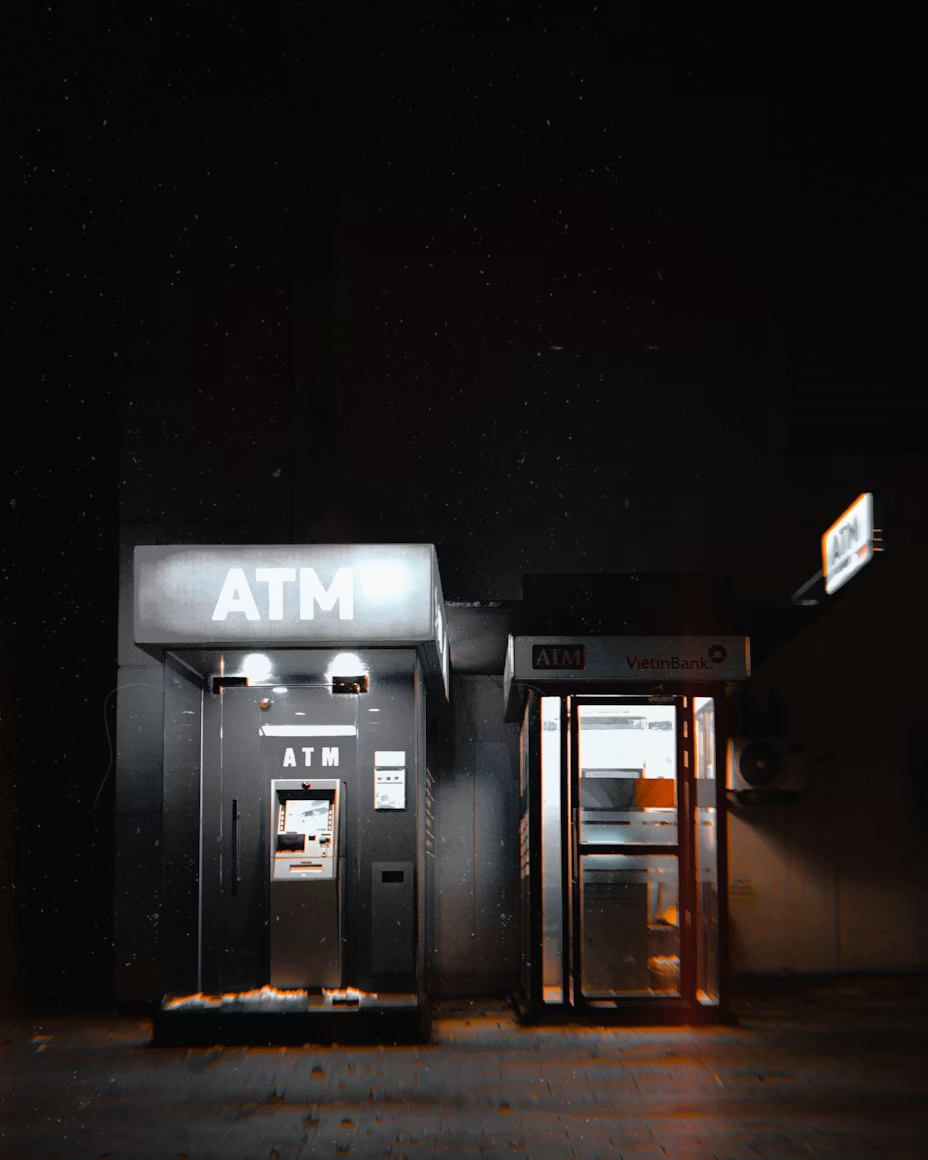
Not all Vietnamese ATMs charge the same.
VPBank is the clear pick: no fee for foreign cards and a 10,000,000 VND withdrawal limit per transaction.
ACB is also free, but caps each withdrawal at 3,000,000 VND — fine for smaller amounts, less efficient if pulling out a larger sum.
Sacombank sits in the middle: it matches VPBank's 10,000,000 VND limit but charges 50,000 to 100,000 VND per withdrawal.
TPBank used to be free but introduced a 3.3% fee in mid-2025, making it the most expensive option on the street right now.
Most other banks charge around 50,000 VND as a standard flat fee.
Fee policies shift, so it is worth checking the fee shown on the ATM screen before confirming, whichever bank's machine it is.
2. Withdraw Larger Amounts, Less Often
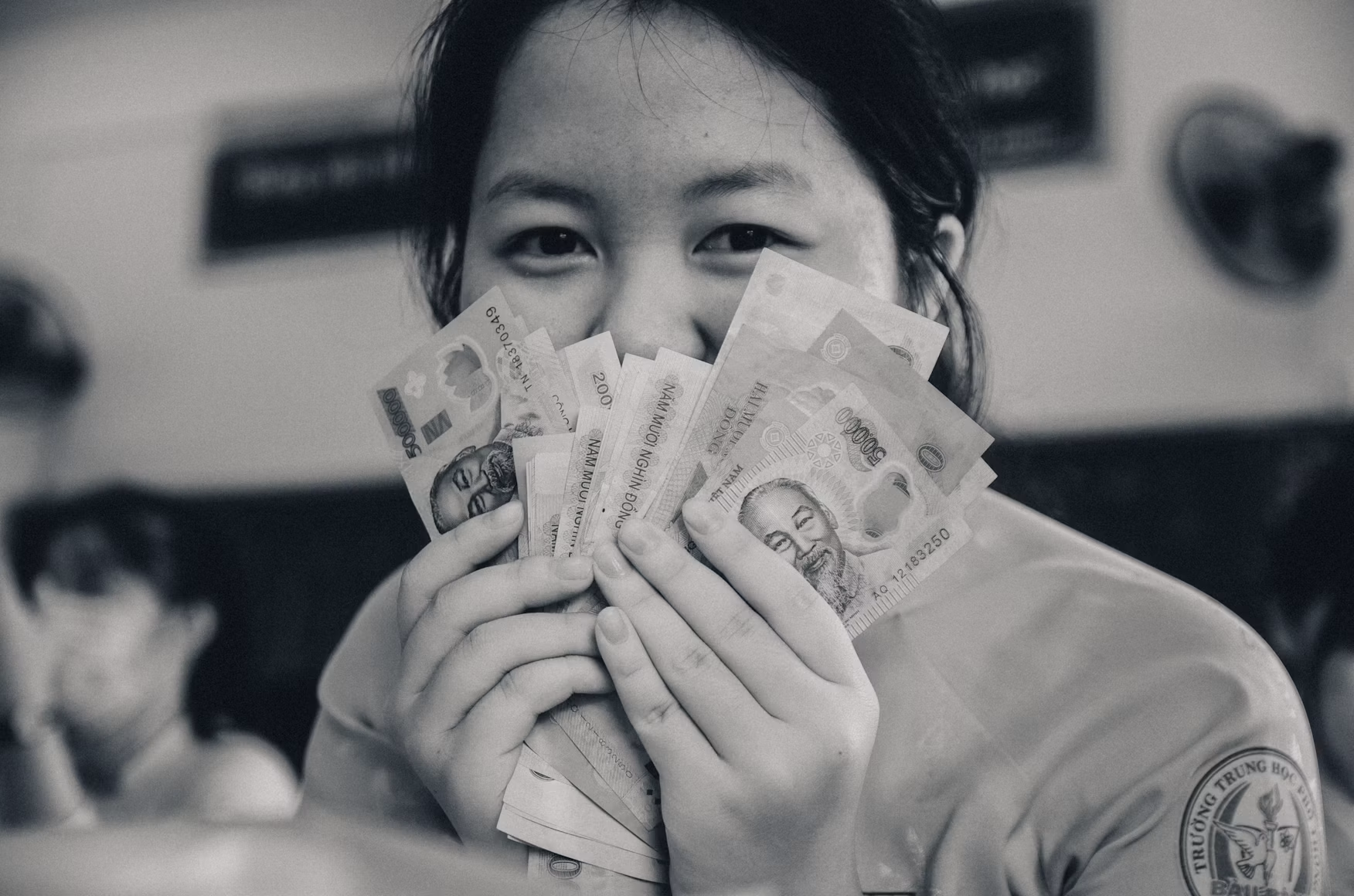
Every withdrawal carries a flat local fee plus a home bank charge, regardless of the amount. Pulling out more cash per visit, up to the ATM's limit, spreads that fixed cost over a bigger sum instead of paying it again every few days. Most Vietnamese ATMs cap a single transaction around 3,000,000 to 5,000,000 VND, some up to 10,000,000 VND, so it is worth checking the machine's limit before deciding how much to take out.
3. Always Choose Dong, Never Home Currency
Before dispensing cash, many ATMs ask whether to charge in home currency or Vietnamese dong. Choosing home currency hands the conversion to the ATM operator instead of the card network, and the operator sets its own exchange rate, usually 5% to 10% worse. Choosing dong avoids that entirely, and costs nothing extra.
4. Check the Home Bank's Fees Before the Trip
Home banks add their own international withdrawal fee, often a flat $3 to $5 USD, plus a foreign exchange markup of roughly 1% to 3%. Some banks waive these fees for travel, or reimburse them after the fact. A quick call before departure can settle this without any guesswork mid-trip.
5. Use QR, Card, or Wallet Payments Where Accepted
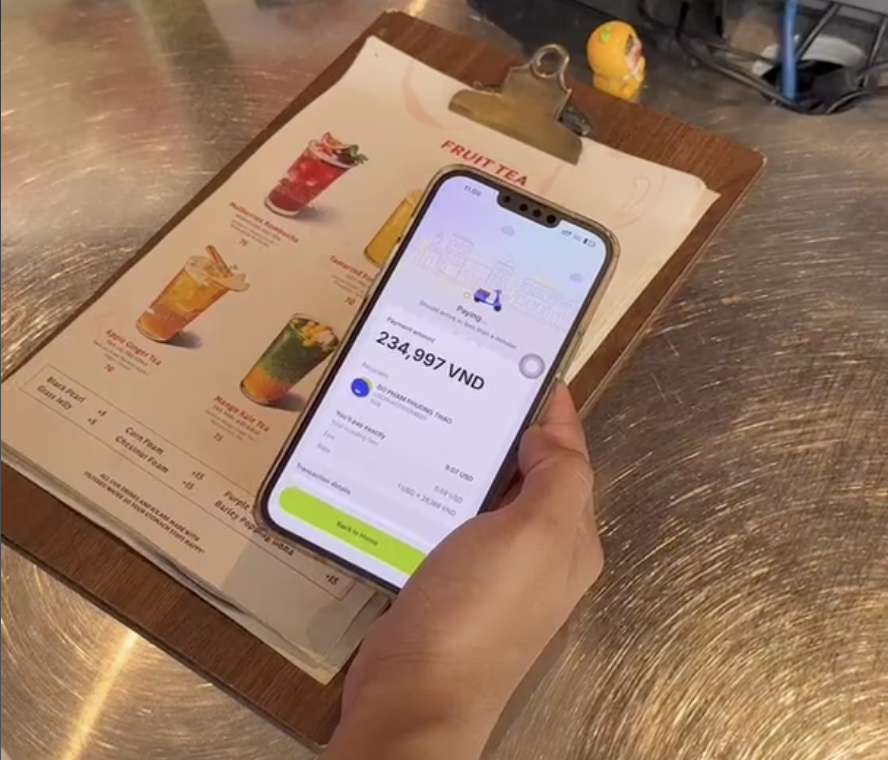
Every payment made this way is one less ATM withdrawal, and one less fee. QR payments cover most everyday spending in Vietnam now, from coffee shops to convenience stores.
PayMoji works well here. Load it before the trip with Apple Pay, Google Pay, or a home card, then pay directly into VietQR, the way locals already do. The app shows the rate and fee before confirming, so there is no guessing involved. It does not replace cash entirely, but it cuts down how often an ATM is needed at all.
Quick Recap
Avoiding ATM fees in Vietnam comes down to five habits:
- Use a lower-fee bank ATM.
- Withdraw larger amounts less often.
- Always choose Dong over home currency.
- Check the home bank's fees ahead of time.
- Cover everyday spending with a travel wallet like PayMoji instead of repeated withdrawals.
References
- Vietnam ATM Withdrawal Guide: Fees, Locations, Exchange Rates — YouTrip Singapore
- Dynamic Currency Conversion: What It Is and Why to Avoid It — Wise
- The Traveller's Guide to ATMs in Vietnam — wehatethecold
Frequently Asked Questions (FAQs)
How can I avoid ATM fees in Vietnam?
Use a lower-fee bank ATM, withdraw larger amounts less often, always choose dong at the machine, and cover daily spending with a travel wallet instead of repeat withdrawals.
Which Vietnamese banks have lower ATM fees for foreign cards?
VPBank and ACB are commonly cited as fee-free. Techcombank and Sacombank are often mentioned as lower-cost with higher withdrawal limits.
Should I choose home currency or Vietnamese dong at the ATM?
Dong. Choosing home currency triggers dynamic currency conversion, which usually applies a worse exchange rate than the card network would.
Does withdrawing larger amounts actually save money?
Yes. The flat local and home bank fees apply per withdrawal regardless of amount, so fewer, larger withdrawals mean paying those fees less often.
Does PayMoji get rid of ATM fees completely?
No. It reduces how often cash is needed by covering everyday spending through QR and card payments. Cash is still useful in rural areas and small markets.