
How to Pay in Vietnam Without a Local Bank Account
Jul 15, 2026 · 5 min read
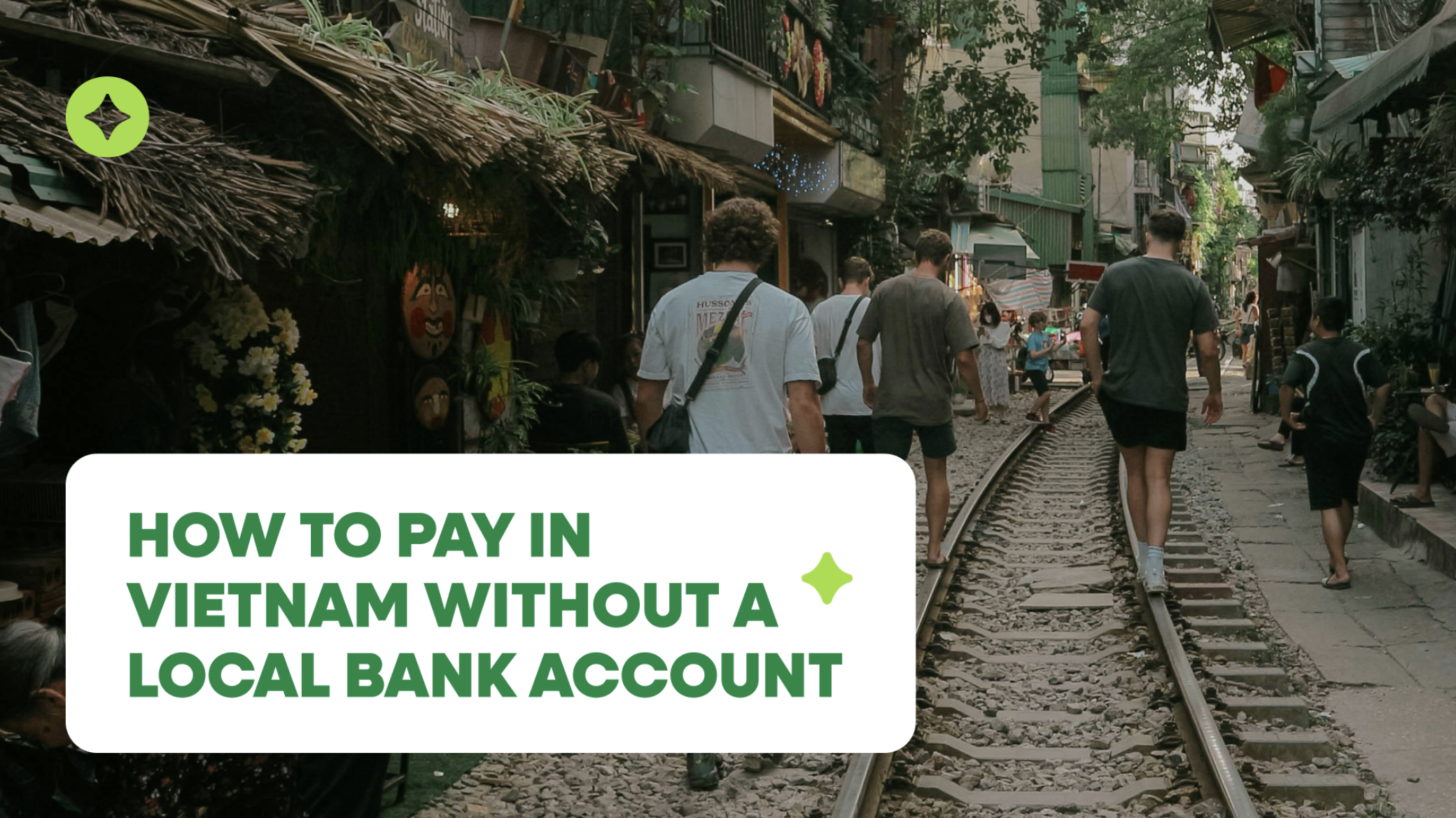
At a coffee counter in Hanoi, a traveler taps a foreign card against the reader. Nothing happens. The barista points at a small QR code taped to the register instead and waits. Every local in line already has their payment app open, linked to a bank account, ready to scan.
Vietnam runs on QR code payments now. Locals scan a code to pay for coffee, groceries, and just about everything else. The good news: a Vietnamese bank account is not needed to join in, and it is getting easier every year. Here is the simplest way to pay like everyone else in that line.
QR Payments are Everywhere
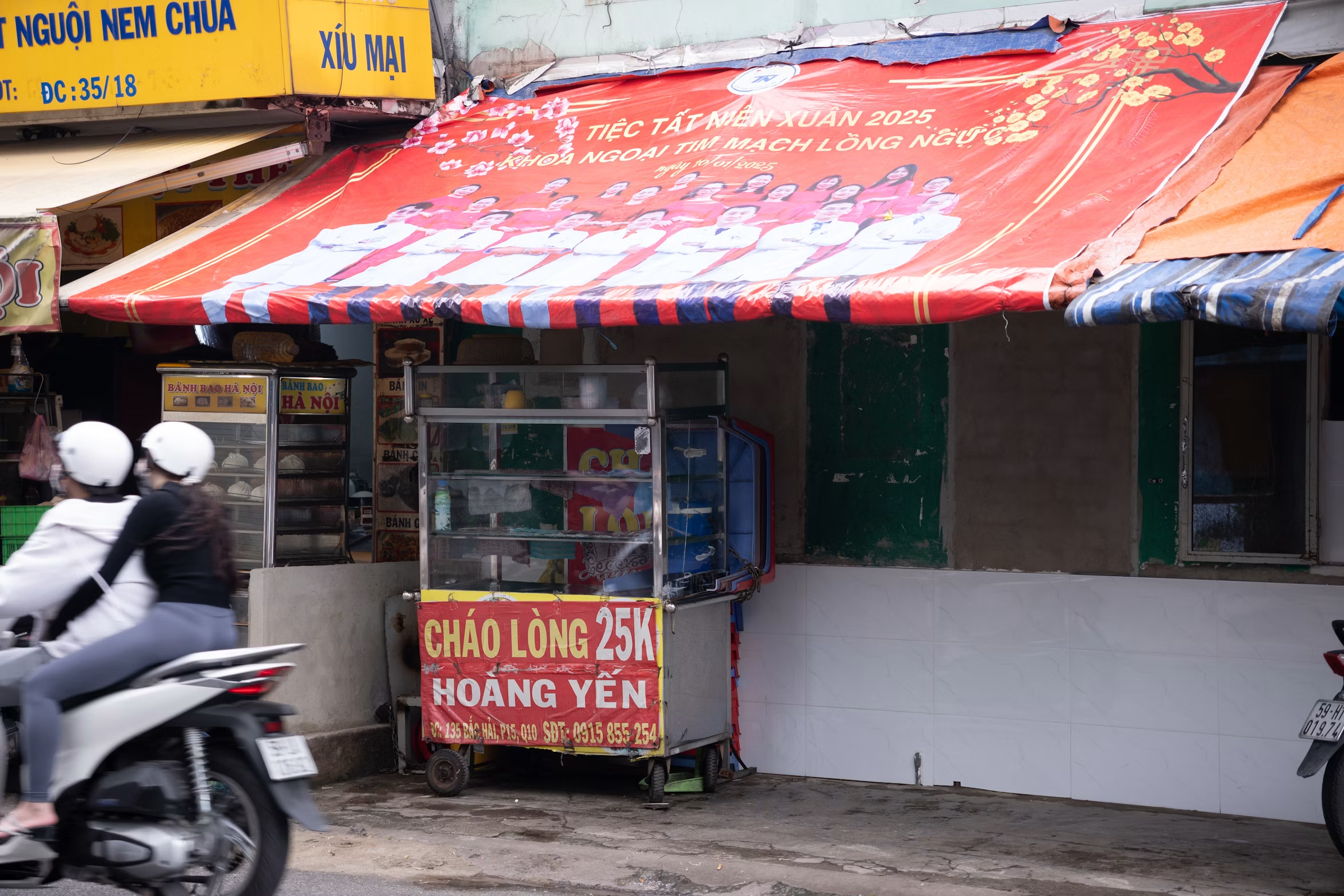
Coffee shops, convenience stores, market stalls, even street food carts all use QR codes. It is fast, free for merchants to set up, and now simply the normal way to pay here. Vietnam runs on several overlapping QR networks, anchored by NAPAS, the national payment infrastructure operator, which developed the VietQR standard that most banks connect to. NAPAS alone processes around 15 million VietQR transactions every day (source: Napas).
The country did not build out card infrastructure the way Western countries did. There were never enough POS terminals, never enough card-carrying consumers to make it worthwhile for small merchants. So when smartphones arrived and mobile banking took off, the country skipped straight to QR codes. No expensive hardware needed, just a printed square taped to the counter. Today, 62% of Vietnamese use QR codes to pay, scanning them an average of 16 times a month — more often than they use a card (source: QRcode Tiger).
Why a Local Bank Account Is Hard to Get
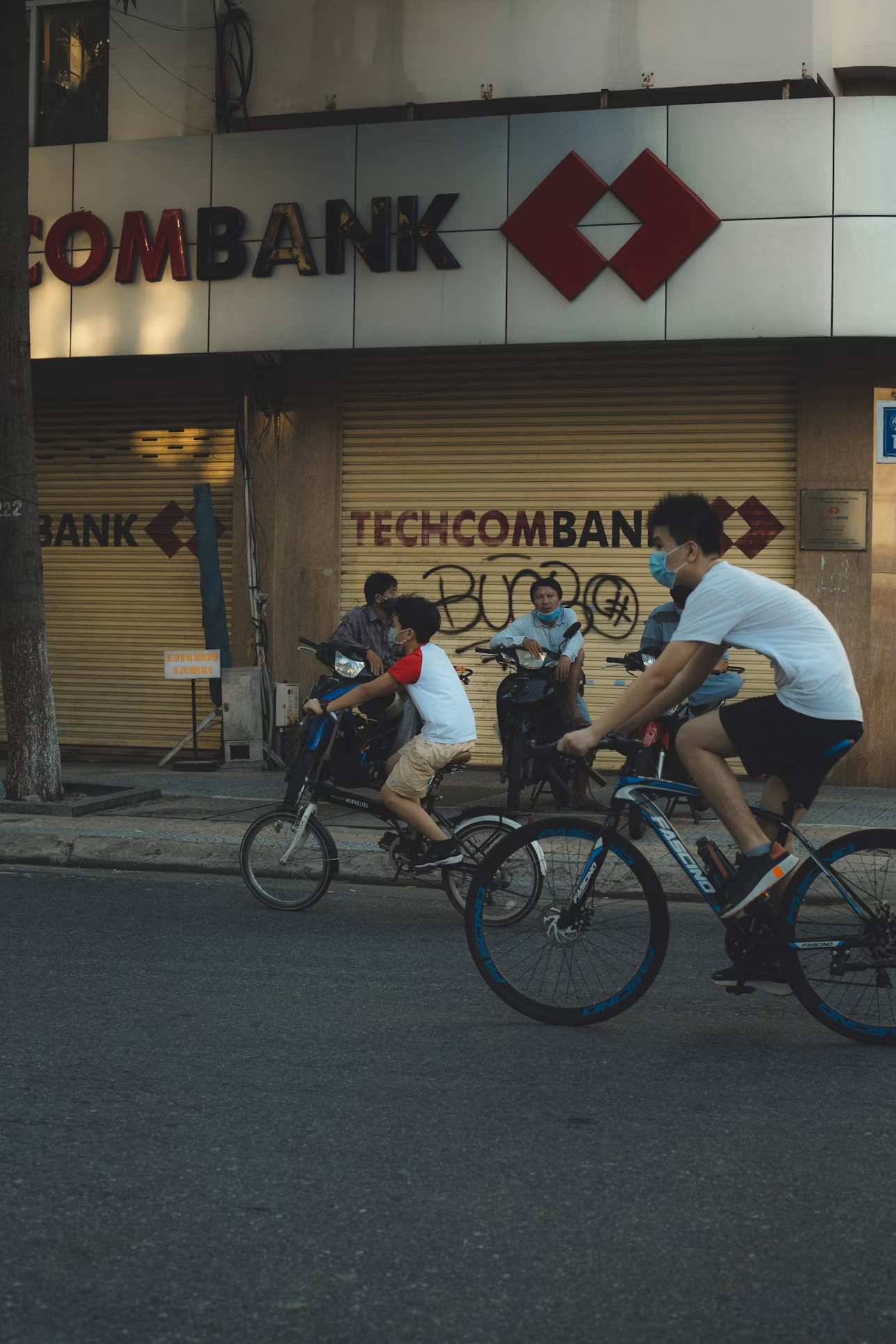
Most Vietnamese banks won't open an account for someone on a tourist visa — standard practice at major banks like Vietcombank or Techcombank. A few digital banks are more flexible: Timo by BVBank, for example, accepts just a passport and a valid visa, giving access to basic transactions like ATM withdrawals and domestic transfers. The catch is that a debit card requires at least 360 days of documented residency, per State Bank of Vietnam rules — so a tourist can have an account but not the card that makes QR payments work day-to-day. For longer-stay foreigners with a work permit or Temporary Residence Card, most banks open up fully, card included.
Ways Around It
There are three realistic options, each with its own trade-offs.
Cash
This is the fallback that always works. Every ATM in Vietnam dispenses dong, and small vendors, rural guesthouses, and motorbike drivers often still prefer it. The downside is real though: international ATM withdrawals typically carry a fixed fee from your home bank plus a foreign transaction fee, and those stack up fast across a two-week trip. Carrying a large amount of cash also means carrying the risk of losing it.
International Card
This works at hotels, larger restaurants, and some convenience stores, but coverage is uneven. Many small merchants never installed a card terminal, and even where terminals exist, foreign cards occasionally get declined — wrong network, a card type the terminal doesn't support, or a bank fraud flag on an overseas transaction. It is a useful backup, not a daily driver.
Or, a cross-border travel wallet
It links to Apple Pay, Google Pay, or a home card, and pays straight into the same QR network locals use. No Vietnamese ID required, no terminal needed — just scan the code at the counter the same way everyone else in line does.
Are QR Payments Safe?
QR payments are safe and easy once a couple of habits are in place: scan only codes physically displayed at the counter, glance at the merchant name before confirming, and use FaceID, TouchID, or a PIN to protect the app.
Frequently Asked Questions (FAQs)
Do I need a Vietnamese bank account to pay by QR?
No. A travel wallet like PayMoji pays directly into the same QR networks locals use — no Vietnamese account required.
Can tourists open a bank account in Vietnam?
Most major banks won't open an account on a tourist visa. Timo by BVBank is an exception and accepts a passport plus valid visa, but the State Bank of Vietnam requires 360 days of documented residency before issuing a debit card — so a tourist can have an account but not the card that makes daily payments work.
Do MoMo and ZaloPay work without a Vietnamese ID?
Not reliably. Both apps now require identity and biometric verification tied to a Vietnamese ID to activate an account.
Does my international card work everywhere?
Not consistently. Hotels and larger restaurants usually accept it. Small merchants rarely have card terminals, and foreign cards sometimes get declined even where terminals exist — wrong network, card type, or a fraud flag from your home bank.
What is the easiest setup before the trip?
Load a travel wallet like PayMoji before you fly — linked to Apple Pay, Google Pay, or a home card — and bring a little cash for the rest.