How QR payments work across Southeast Asia
Jun 8, 2026 · 5 min read
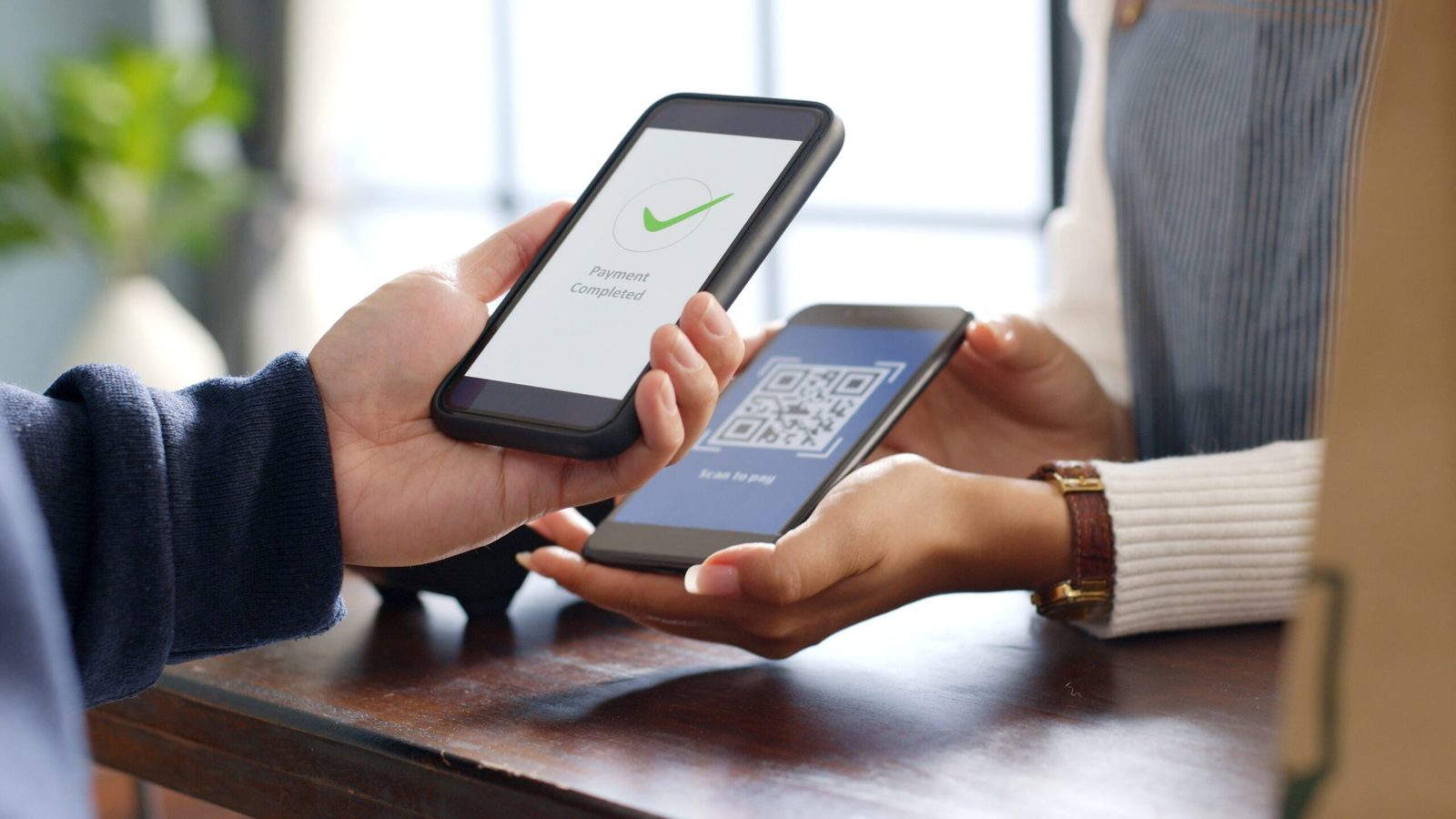
If you've spent any time in Vietnam, the Philippines, Thailand, or Indonesia recently, you've seen them everywhere: little black-and-white squares taped to cash registers, propped up next to bowls of noodles, and printed on the back of motorbike helmets. QR codes have quietly become the default way millions of people pay every day — and for travelers, learning to use them is the single biggest upgrade to how you spend abroad.
Here's a plain-English guide to how these networks actually work, and why the card in your wallet so often gets left behind.
One country, one QR standard
The thing that makes QR payments so powerful in Southeast Asia is standardization. Instead of dozens of competing apps that don't talk to each other, most countries have rallied around a single national QR standard that every bank and wallet supports.
- Vietnam uses VietQR and VNPay, linked to the national napas network.
- The Philippines uses QR Ph, the central bank's unified standard.
- Thailand has PromptPay, and Indonesia has QRIS.
Because the standard is shared, a single QR sticker at a coffee shop can accept money from almost any local bank app. That's why even the smallest street vendor can take digital payments without any expensive card terminal.
Two flavors of QR
There are really only two patterns you'll run into:
1. Merchant-presented (you scan them)
The shop displays a code. You scan it, type the amount, confirm, and you're done. This is the most common setup at markets and small shops.
2. Customer-presented (they scan you)
You show a code from your app and the cashier scans it with their device. You'll see this more at larger retailers and convenience stores.
The beauty is that the money moves bank-to-bank in seconds, with no card network sitting in the middle taking a cut on every swipe.
Why your home card struggles
Travelers are often surprised that a perfectly good Visa or Mastercard gets declined, or works but quietly stings them. A few reasons:
- Local QR rails aren't card rails. Many vendors only accept the national QR standard, not international cards at all.
- Foreign transaction fees. When your card does work, issuers often add a surcharge to every purchase.
- Poor exchange rates. Dynamic currency conversion at the point of sale can quietly cost you 3–7%.
Where PayMoji fits in
This is exactly the gap PayMoji was built for. You top up your wallet at home using Apple Pay, Google Pay, or your card, and then PayMoji lets you scan the same native QR codes the locals use — VietQR, VNPay, QR Ph and more — with a real-time exchange rate and a fee you can actually see. No card rejection, no guessing, no scrambling for cash.