A first-timer's guide to paying your way through Vietnam
Jun 8, 2026 · 7 min read
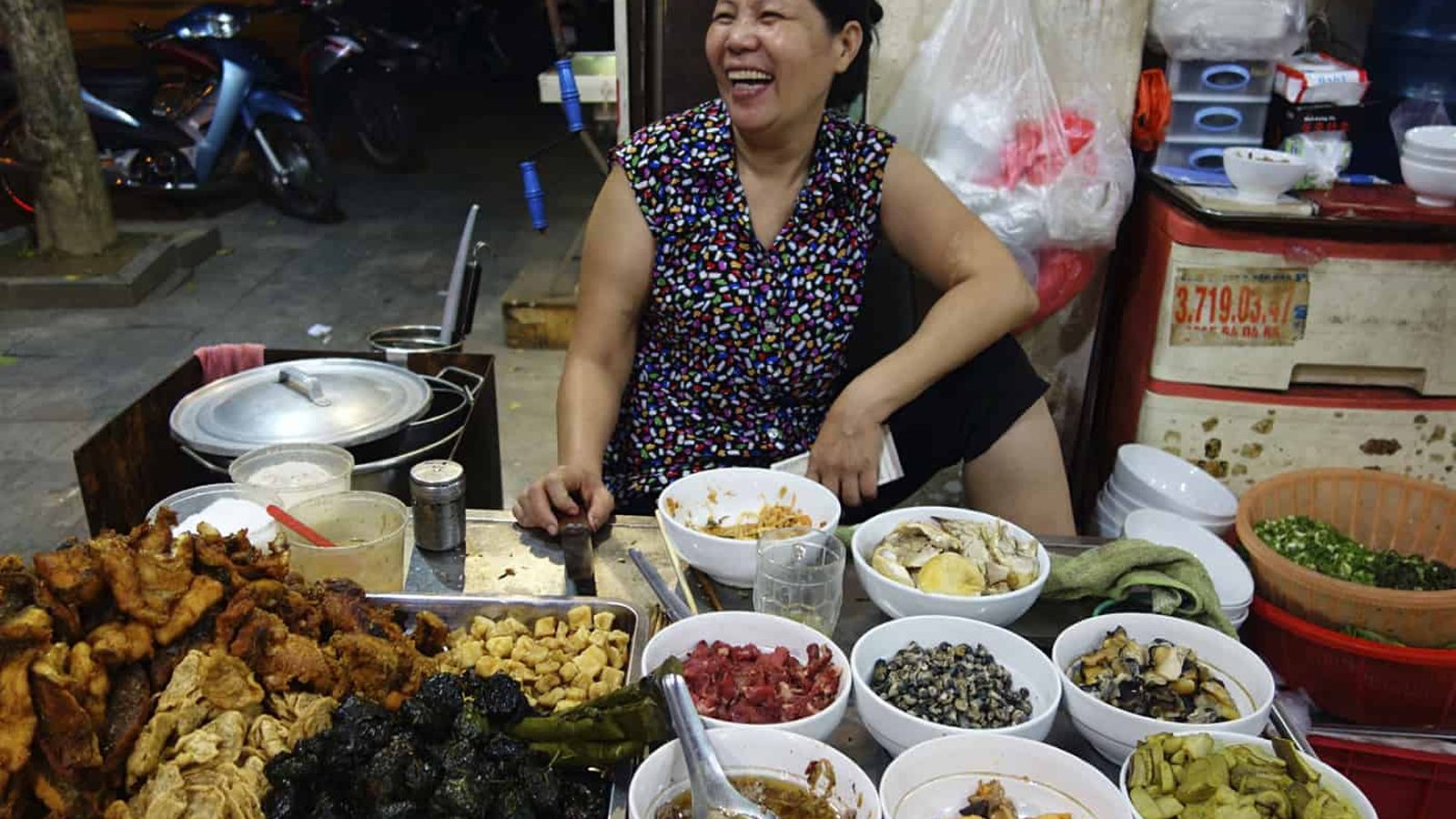
Vietnam is one of the most rewarding places to travel in Southeast Asia — and one of the most cash-and-QR driven. From a 25-cent banh mi to a late-night Grab across the city, almost everything has a digital way to pay. Here's how to handle money so you can focus on the pho, not the payment.
Before you go: top up at home
Landing with a wallet that already has funds takes a surprising amount of stress out of arrival. Load up before you fly using Apple Pay, Google Pay, or your card, so your very first taxi or SIM-card purchase is frictionless.
Street food & markets
This is where Vietnam shines — and where international cards are useless. Vendors overwhelmingly take VietQR or VNPay. Scan the code on the stall, type the amount, confirm, and enjoy. A little cash is still handy for the occasional vendor without a code.
Getting around
Grab is the default for rides and food delivery, and traffic in Hanoi and Ho Chi Minh City is an experience in itself. Paying digitally means no haggling over change with a driver in the rain.
- Grab bikes are cheap and fast for short hops.
- Grab cars are comfortable for longer trips or groups.
- Trains and buses for intercity travel often still prefer cash — plan ahead.
Cafés, shops & everything else
Vietnam's café culture is world-class, and nearly every spot — from a third-wave roaster to a plastic-stool egg-coffee joint — will have a QR code by the till. The same goes for convenience stores, pharmacies, and most shops.
Rule of thumb: carry a small amount of cash for emergencies, and let QR handle everything else.
Paying the PayMoji way
With PayMoji, the whole trip runs on one wallet. You scan the same VietQR and VNPay codes locals use, see a transparent rate before you confirm, and never worry about a card being rejected at the noodle stall. Collect the memories — skip the ATM queue.