
Vietnam Night Markets: A 6-Year Expat’s Guide to Eating Well and Paying Fast
Aug 25, 2026 · 10 min read
The first night market I went to in Hanoi, I ate nothing.
I walked the whole stretch from Hang Dao up toward Dong Xuan, twice, with one hand clamped over my pocket the entire time. Forty-odd stalls. Every one of them selling something I couldn’t identify to a crowd that clearly knew exactly what they were doing. I couldn’t decide. I couldn’t read a single sign. And the thought of pulling out a fat stack of notes I still couldn’t count properly, in the middle of that crowd, was enough to keep my hands where they were.
I went home and ate instant noodles in my hostel. Six years later I eat at these markets most weeks, and I can tell you the whole thing runs on about five unwritten rules. None of them are complicated. Here they are, so you don’t waste a night the way I wasted mine.
Follow the Local Queue, Not the English Sign
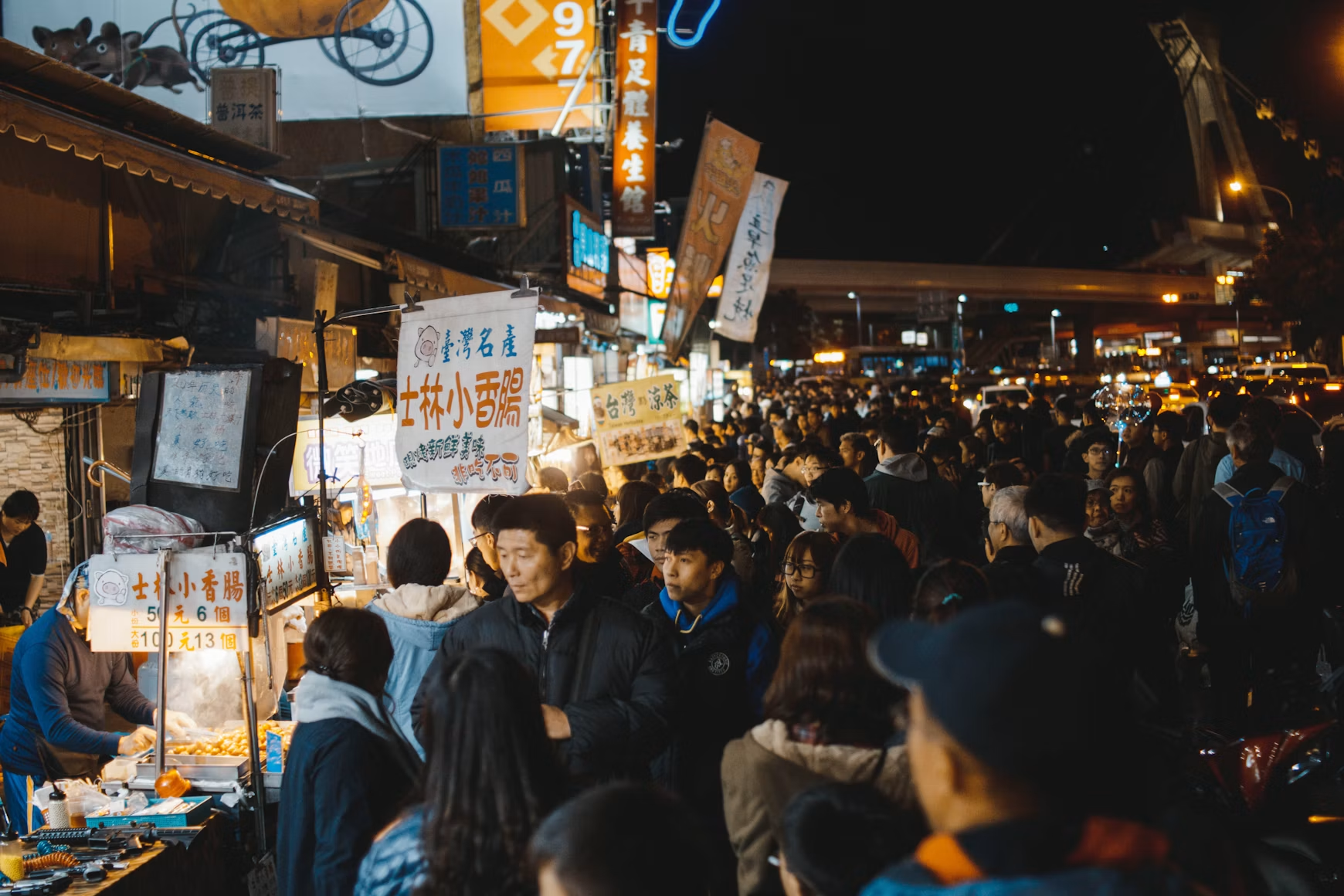
The first thing that fixed my decision paralysis was advice from a friend who’d been here a decade: ignore the flashy English menus and look for where the neighbourhood is standing.
If a stall is ringed by local families waiting patiently, or there’s a cluster of tiny plastic stools already full, that’s the one. Pull up a stool.
This isn’t just about taste. High turnover is the best food safety signal you’ll get. A stall doing steady volume is burning through fresh ingredients and restocking constantly, rather than letting them sit out in the humidity for six hours. The stall with nobody at it has been sitting on that same tray since 6pm.
The other tell: the best vendors do one or two things. A woman who has cooked the same bowl of bún chả for twenty years is a better bet than a stall with a laminated forty-item menu in four languages.
Watch the Sizzle
Fear of food poisoning keeps a lot of travellers out of street food entirely, which is a shame, because the fix is mostly just paying attention.
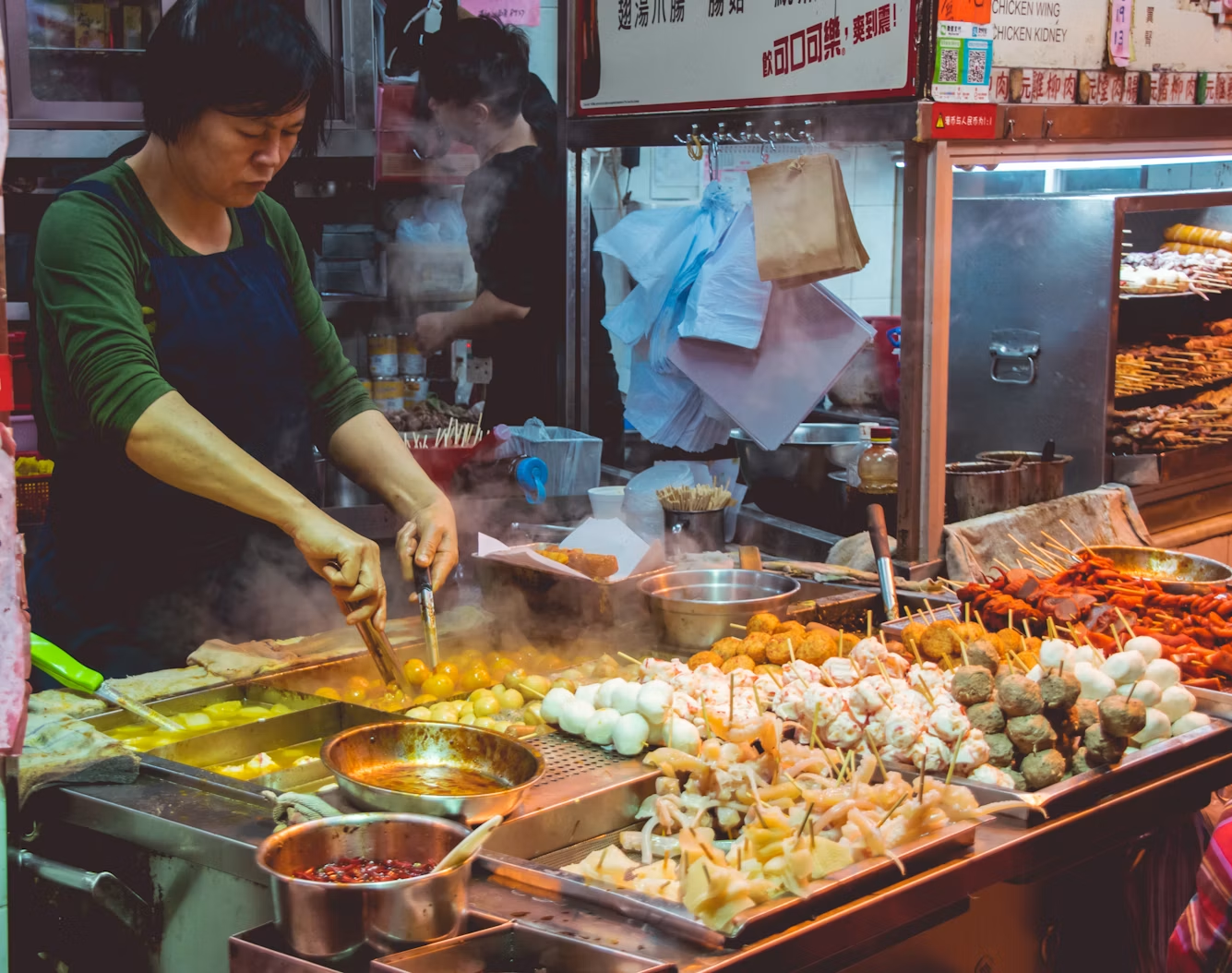
Heat is doing the work. If something goes into boiling broth or onto a blazing grill after you order it, you’re fine. What I skip is the pre-cooked tray — the stuff already portioned out and sitting under a lamp, or not under anything at all. That’s where the risk actually lives, not in “street food” as a category.
One more thing worth watching: whether the person handling your food is also handling cash. A lot of stalls have this solved — one person cooks, one person takes money. Where it’s a solo vendor, it’s worth a glance.
Go at the Right Hour
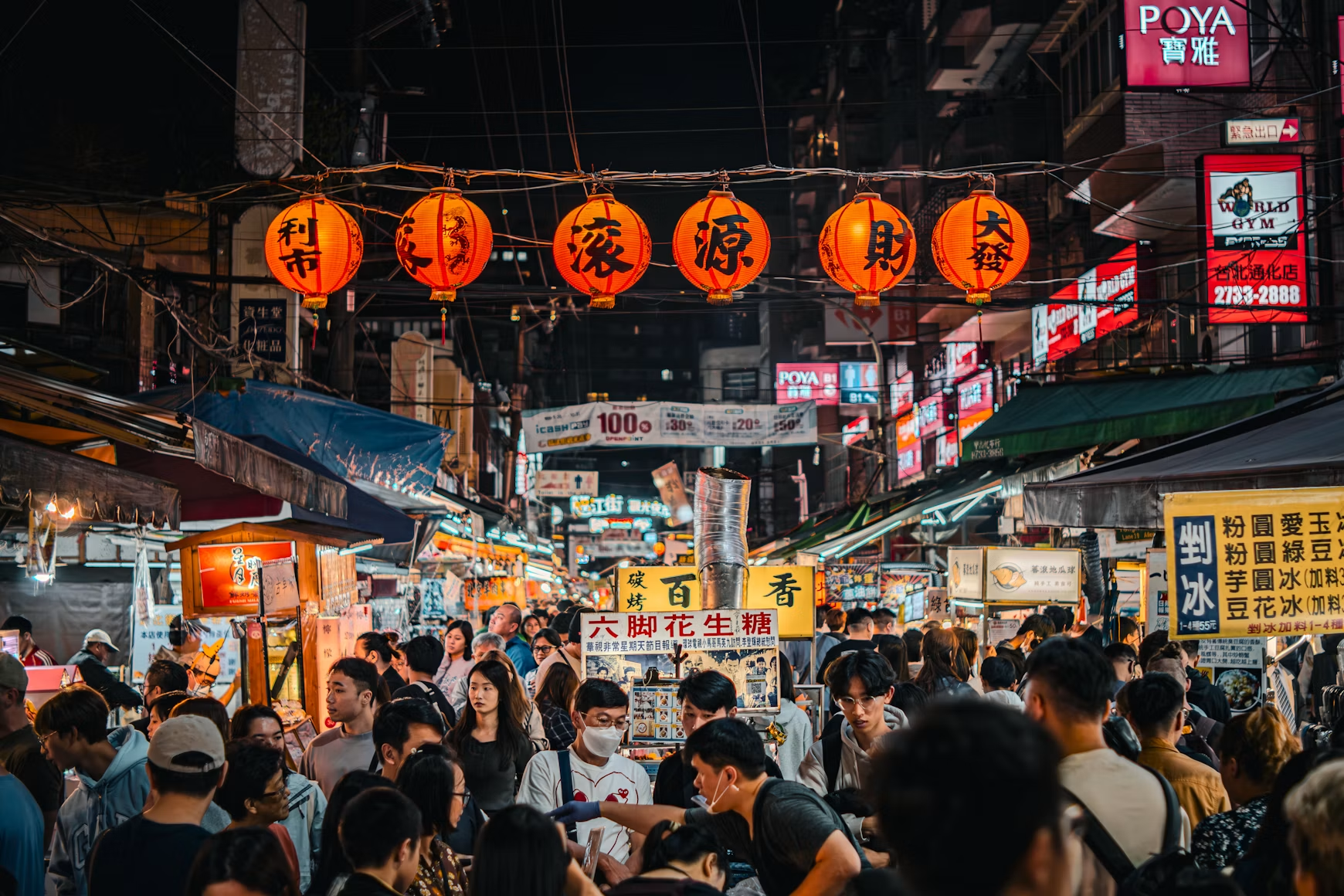
Night markets have a peak, and you want to be there for it.
Hanoi’s weekend night market runs Friday, Saturday and Sunday, stretching roughly two kilometres from Hang Dao up through Hang Ngang, Hang Duong and Hang Giay to Dong Xuan Market. Stalls are properly set up by 6:30pm, the whole thing peaks between 7:30 and 10pm, and it winds down around 11pm.
Ben Thanh’s night market in Ho Chi Minh City is different — it runs every night, outdoors around the main hall, from about 6pm to 11pm, and later on weekends. The indoor market shuts at 6pm and the outdoor one takes over.
Peak hour means crowds, and crowds mean turnover, which is exactly what you want. Arrive at 6pm and you’re eating the first batch of everything. Arrive at 10:30 and you’re eating the last.
Also: these streets close to vehicles. Get your Grab to drop you at the edge and walk in.
Know What You Haggle For and What You Don’t
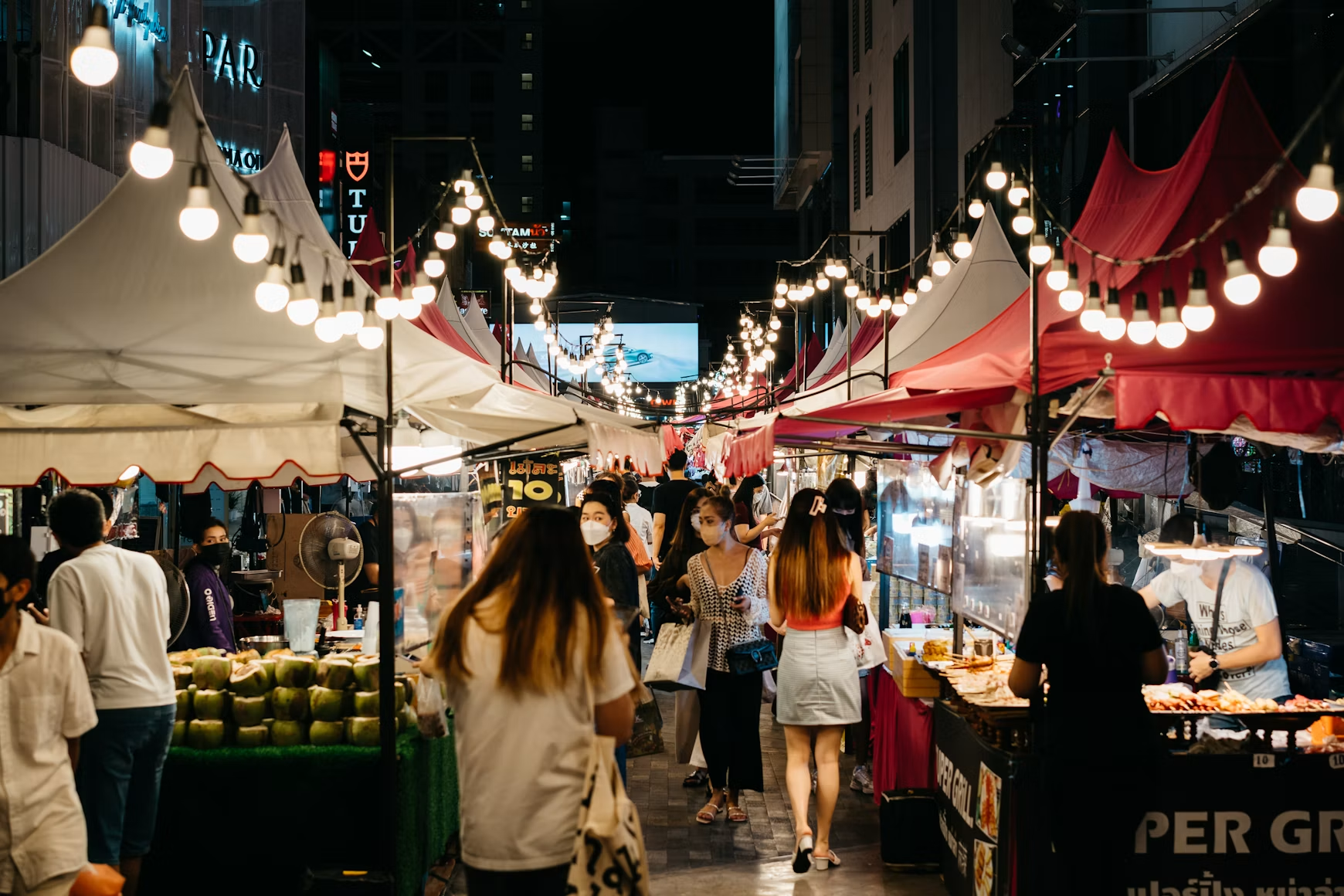
This one trips people up constantly.
Food is not really a haggling situation. Prices at food stalls are broadly fixed and broadly fair — you’re looking at something like 30,000 to 120,000 VND for most dishes. Trying to negotiate a bowl of phở down marks you as someone who doesn’t know how this works, and it isn’t going to go well.
Souvenirs and clothing are the opposite. The first number is an opening offer, not a price. Start well below it, stay friendly, and be genuinely willing to walk. Both sides know the game.
If you take one thing from this section: don’t haggle over food, and don’t accept the first price on a t-shirt.
Bring Cash. Also Bring a Way to Scan.
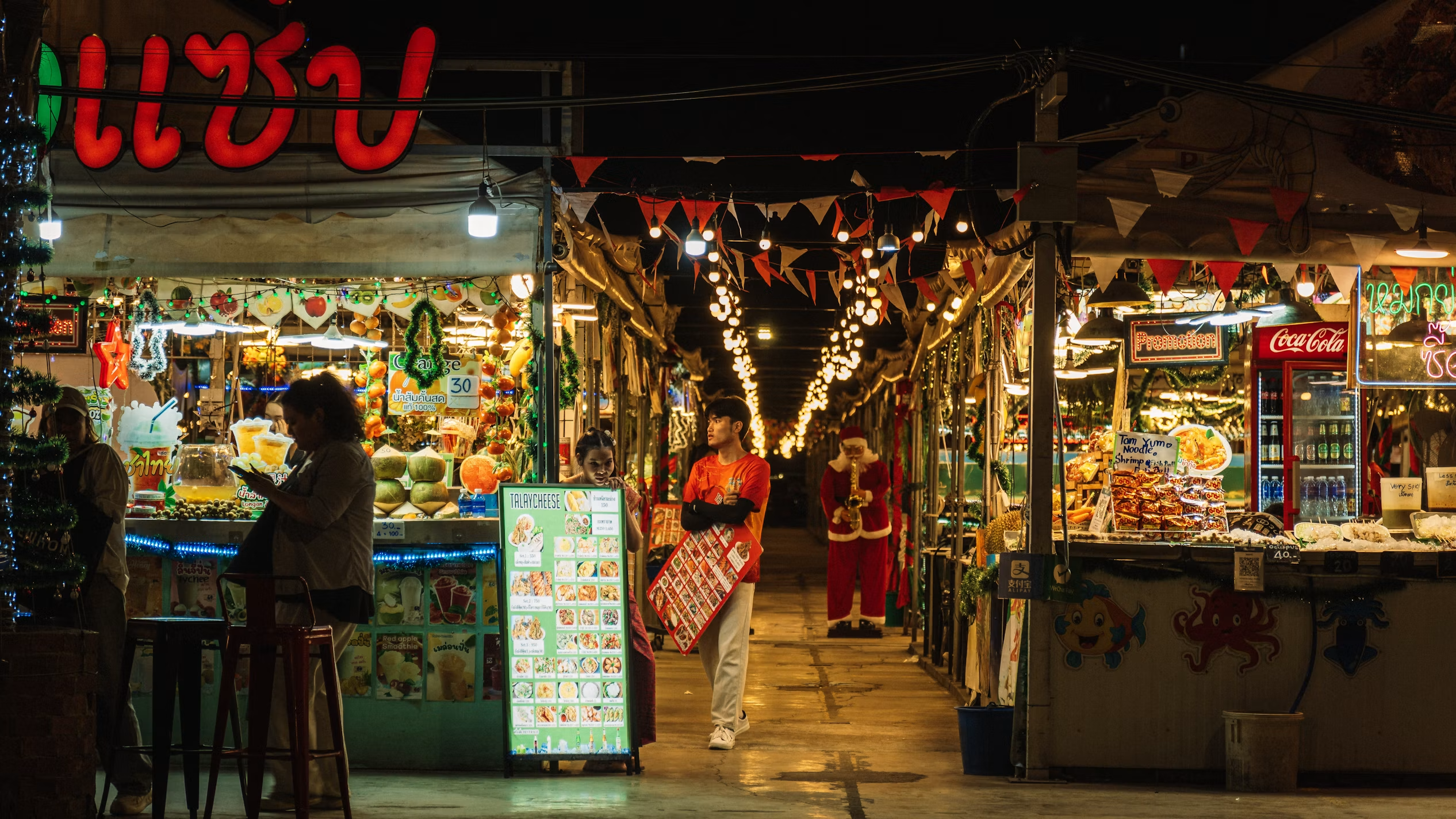
Here’s the part that surprised me most.
Vietnam has gone QR-mad. NAPAS reported VietQR transaction volume up 52% year-on-year with value up 85% over the first ten months of 2025, and it’s spread from supermarkets down into alleyways, noodle stalls and late-night food carts. Nearly 90 million mobile banking accounts are active in the country. The barrier for a vendor is basically a printed square of paper — no terminal, no contract.
I watched this land in real time a few years back. An auntie slinging cơm tấm at Ben Thanh, absolutely flat out, and the customer ahead of me finished, pulled out a phone instead of a wallet, scanned a laminated code taped to the counter, and left. No change, no counting, no queue behind them.
But night markets are the most cash-heavy environment left in Vietnam by a wide margin, and every decent guide to the Hanoi weekend market will still tell you to carry small notes. They’re right. Some permanent stalls and busier food vendors have a code taped to the counter, and more of them do every year — but plenty still don’t, and roaming carts and small souvenir sellers usually don’t at all.
So carry both. Keep 200,000–500,000 VND in small notes (10,000s, 20,000s, 50,000s — not a 500,000 note nobody can break at 9pm) and have a way to scan for the stalls that do take it.
For the scanning half, a travel wallet is the easiest route, since most Vietnamese banks won’t open an account on a tourist visa. Ours is PayMoji — I’m not going to pretend I’m neutral here, but the setup is the same for any of them: top it up before you fly with Apple Pay, Google Pay or your home card, and it pays into the same VietQR codes locals use. You see the rate and the fee before you confirm, which matters more at a market than it sounds like it does.
The Night Market Checklist
- Eat where the locals queue. High turnover means fresher food and better food. Skip the empty stall with the big English sign.
- Watch the sizzle. Cooked-to-order beats anything sitting on a tray. Heat is your friend.
- Show up between 7:30 and 10pm. That’s peak turnover in Hanoi. Ben Thanh’s outdoor market runs 6pm to 11pm nightly.
- Walk the whole thing once before you commit. Then go back to the stall you couldn’t stop thinking about.
- Don’t haggle over food. Do haggle over souvenirs. Start low, stay friendly, be ready to walk.
- Small notes and a way to scan. Most of the market still runs on cash. Some of it doesn’t. Don’t turn up with only one of the two.
That first night in Hanoi cost me a bowl of instant noodles and a bit of pride. Yours doesn’t have to. Walk in hungry, sit on the tiny stool, point at what the person next to you is eating.
See you out there.
— Marco
Things to keep in mind
Is street food in Vietnam actually safe to eat?
For the most part, yes, if you choose by turnover and by heat. A busy stall cooking to order is a safer bet than a quiet restaurant reheating something. What you want to avoid is pre-cooked food that’s been sitting out — that’s the real risk, not street food as a category.
How much cash should I bring to a night market?
Somewhere around 200,000 to 500,000 VND in small denominations covers a full evening of eating for most people. Bring 10,000, 20,000 and 50,000 notes rather than large ones — a street vendor at 9pm often can’t break a 500,000.
Do night market vendors take QR payments?
Some do, and the number is growing, but night markets are the most cash-heavy setting left in Vietnam. Permanent food stalls and busier vendors are the most likely to display a VietQR code; roaming carts and smaller sellers are usually still cash-only. Carry both.
Can I pay by QR without a Vietnamese bank account?
Yes. That used to be the blocker for tourists, since most banks won’t open an account on a tourist visa. Travel wallets now connect to VietQR directly, so you can scan the same codes locals do without a local account.
Should I haggle at a night market?
Over clothes and souvenirs, yes — the opening number is an invitation. Over food, no. Food prices are broadly fixed and already reasonable, and haggling over a bowl of noodles reads as not understanding how the market works.