
Vietnam Packing List 2026: A 6-Year Expat's Guide to Not Getting It Wrong
Jul 9, 2026 · 7 min read
I booked my first ticket to Vietnam on a whim. One-way, no plan, a single backpack. I showed up in July, during the peak hot season, wearing jeans and carrying $200 in cash, most of which went straight into the pocket of a “taxi driver” who cornered me right outside arrivals.
Six years later, I still live between Hanoi and Ho Chi Minh City, and I've helped more first-timers than I can count to avoid the same painful rookie mistakes.
So here it is — the checklist I wish someone had handed me at the departure gate.
Leave the Jeans at Home
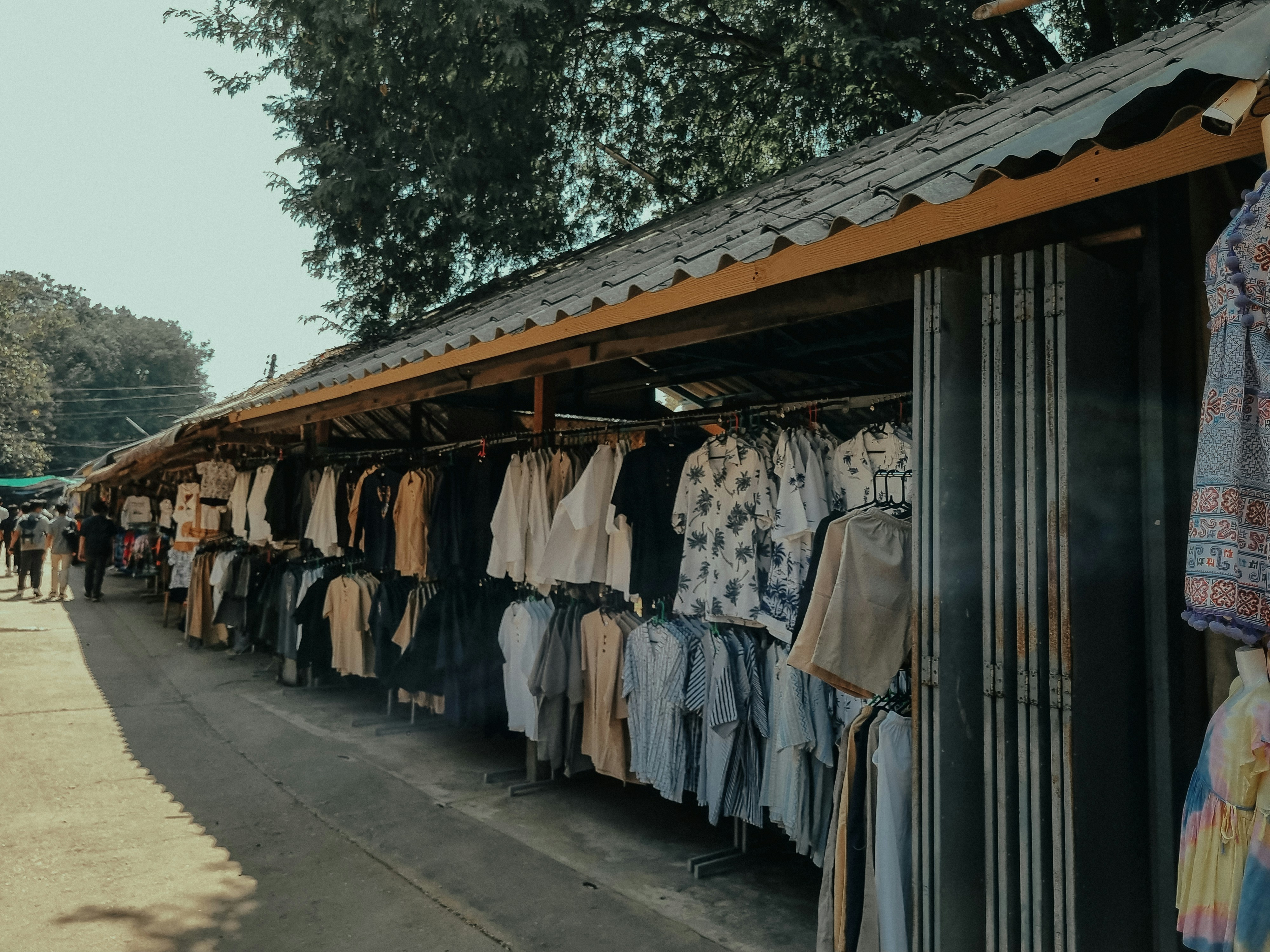
Jeans are going to destroy you in Southeast Asia. 35°C humidity makes you hot, turning denim into a heavy, smelly second skin by day two. Plus, tropical rains will soak you.
The packing formula I've refined after years of trial and error requires minimal gear: t-shirts, shorts, and underwear. Throw in a couple of quick-dry pieces for morning runs or those days when you decide to play pickleball.
If you're planning on visiting any temples, pack at least one pair of long linen trousers. Many temples will turn you away at the door if your knees or shoulders are showing, and the $2 "temple pants" they sell outside are never as comfortable as what you brought.
Over-packing is a real trap. You will sweat more than you expect. Locate a neighborhood laundry service the morning you arrive. It costs a few dollars to get freshly washed, folded clothes delivered right back to your door.
Sort Your Documents Before Packing
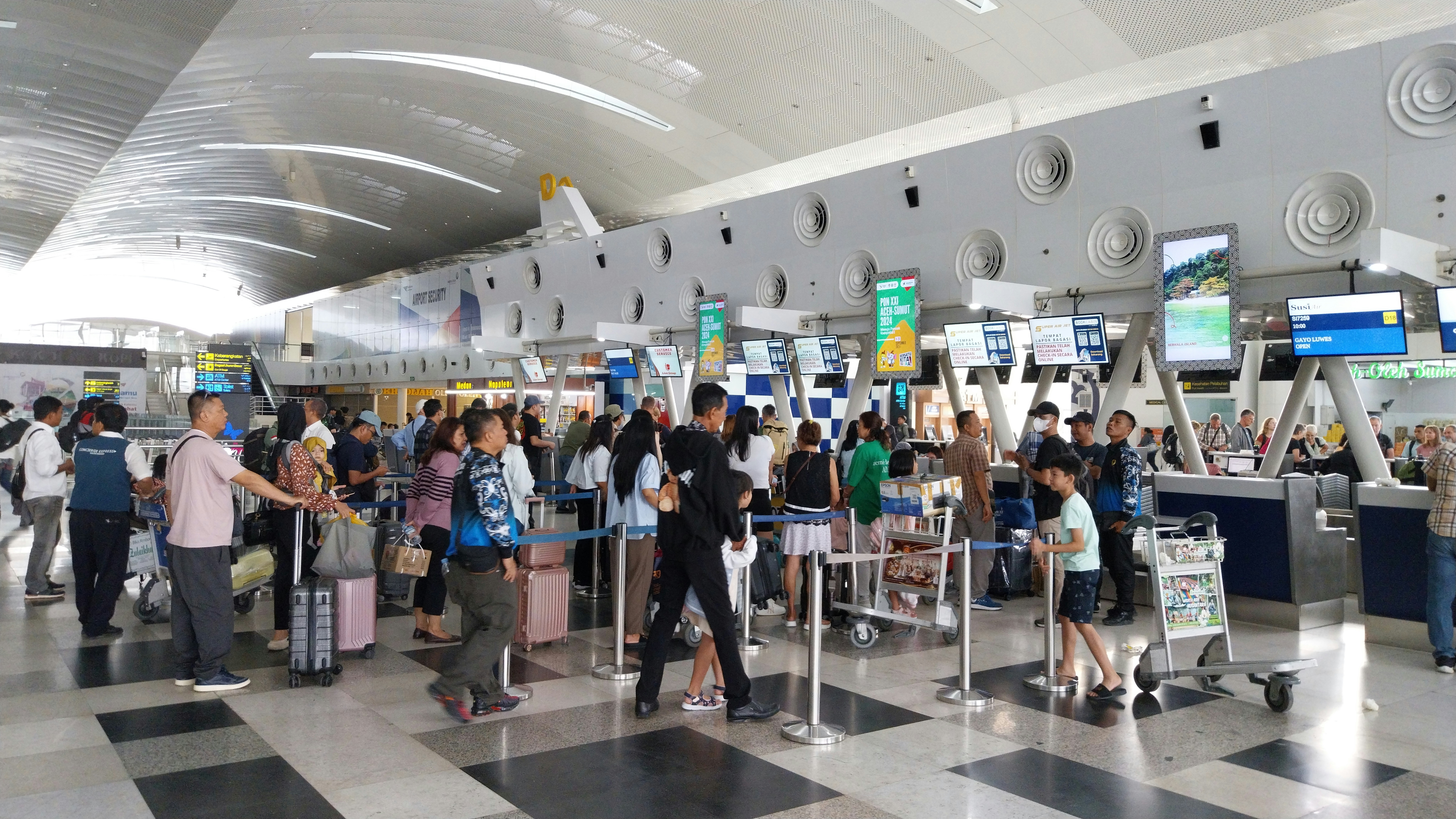
Pay close attention to this section. Errors here mean a flight straight back to your origin city, zero refund, and massive financial penalties.
First, ensure your passport remains valid for over six months to avoid immediate rejection at the check-in counter. Immigration officers sometimes show flexibility if you hold a valid e-Visa, though risking your trip on their mood remains a bad gamble.
Vietnam is the most document-heavy right now. If you stay more than 45 days (or if you're not visa-exempt), you need an e-Visa which is either $25 for single entry, or $50 for multiple entry. Apply at the official government portal, and ideally print a hard copy to carry with you, though these days they seem more forgiving on that. On top of that, you also need to fill out a pre-arrival card on the official immigration site within three days of landing. Miss that window and you're adding stress to an already long journey.
Small tip: if you can afford it, buy a fast-track. It's around $25 and you'll bypass a queue that can stretch two hours. Really worth it after a long flight.
And if you want to ride a scooter, don’t forget to grab an International Driving Permit before you leave home. This is not optional. Without one, your travel insurance is void, and local traffic checkpoints will fine you on the spot. New regulations can now hit you with fines equivalent to thousands of dollars. Don't ruin your trip with this.
Set Up Your Phone Before You Land
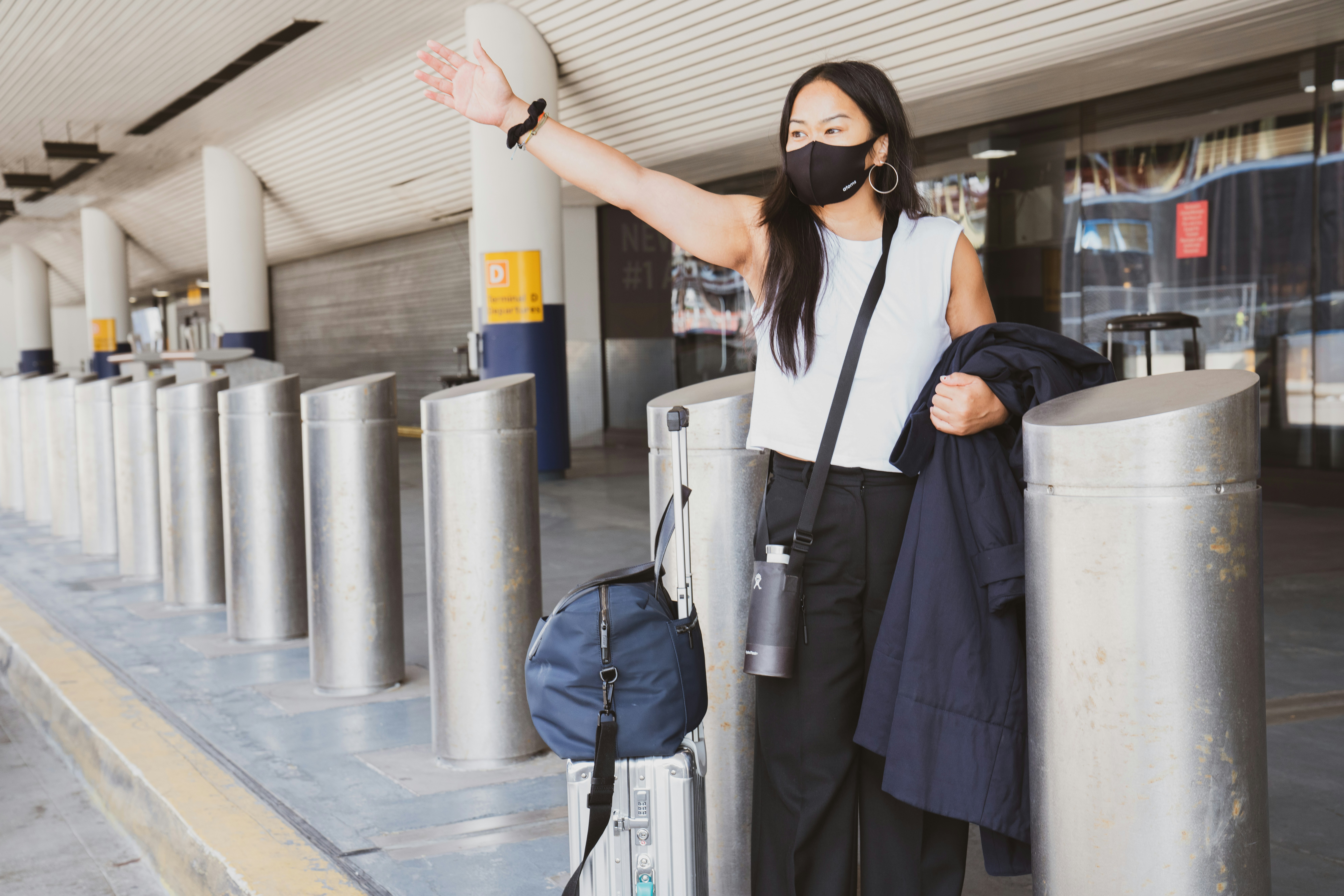
The single worst thing you can do in a Vietnamese airport is standing around waiting for a SIM card. Get an eSIM before your flight. Companies like Airalo, Holafly, and others offer regional Southeast Asia plans that activate automatically when you touch down. I've tested a lot of them over my years in Vietnam, they work. You step off the plane, your phone has data, you're already booking a Grab ride before you've found your luggage. If you plan to stay longer, visit a Mobifone or a Viettel store. Usually, a 1-year plan with several gigabytes of data per day runs around $10 a month. That’s how cheap it is.
Download Grab before you travel. Grab is the ride-hailing app that runs the show across the region — Vietnam, Thailand, Philippines, and most of the rest of SEA. You get fixed pricing, zero negotiation stress, and total certainty regarding your route. Configure the app and link a payment method before leaving (usually, your bank card). It functions flawlessly at major airports, keeping you safe from fake airport transport syndicates.
Stop Carrying Cash You Don't Need
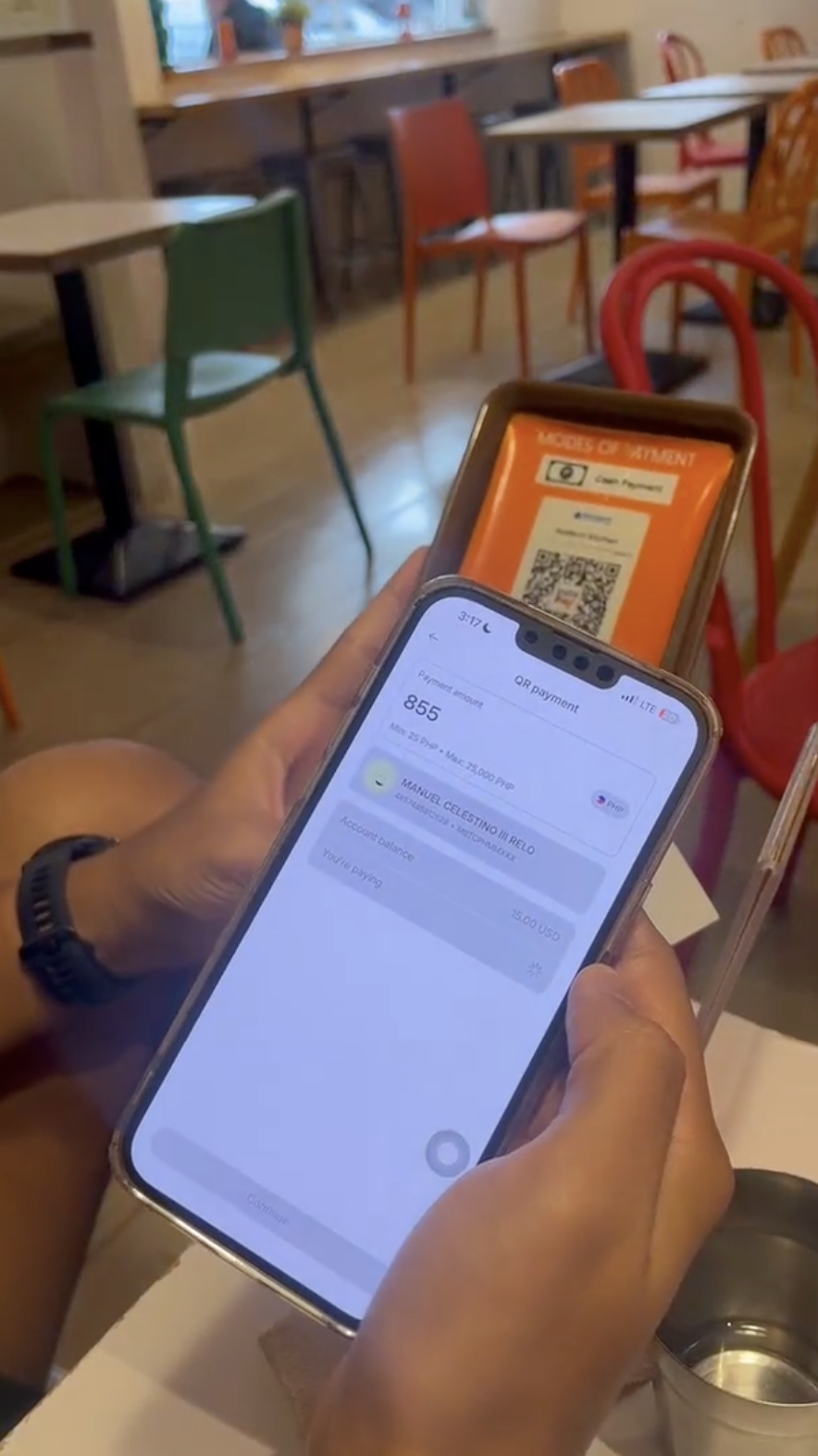
I'm not saying carry zero — keep some on you for the occasional market vendor or rural guesthouse that doesn't do digital. But the days of pulling out a fat envelope of dong to pay for coffee and meals are over. QR payments are everywhere now - from small family-run pho spots in Hanoi to 7-Elevens. Locals pay by scanning a code on their phone. You can do the same.
The problem, historically, was that foreign visitors couldn't tap into these local QR networks. You needed a local bank account, a local SIM, a local everything. But that's changed.
There are digital travel wallets now, including PayMoji (no, it's not sponsored), that let you top up with Apple Pay, Google Pay, or your home card before you board, and then pay directly into local QR networks at live exchange rates with no surprise fees baked in.
My first week in Vietnam, I paid $8 per ATM withdrawal and couldn't find ATMs half the time. There were also a couple of times my Visa card just didn't work at hotels, which to this day, I'm still not sure why.
The Actual Checklist (Print This Out)
Before you close this tab and go back to googling suggestions for your itinerary:
- No jeans. T-shirts, shorts, underwear, one quick-dry layer. One pair of linen trousers if you're doing temples. Find the nearest laundry your first day, it costs almost nothing.
- Check your passport first. More than six months validity, and do this before you do anything else. If you're going to Vietnam for over 45 days, get your e-Visa sorted ($25 single, $50 multiple) and fill out the pre-arrival card within three days of flying. Fast-track at the airport if you prefer spending $25 to skip a two-hour queue. Worth it if you ask me.
- IDP if you're getting on a scooter. Get it before you leave home. Fines for not having one can now run into the thousands. Just get it.
- eSIM and Grab, before you board. You want data the second you land and a ride booked before you've found your luggage. Use Grab at the airport, don't let the fake taxi drivers find you first.
- A wallet that actually works here. Keep a bit of cash for markets and rural spots. For everything else — coffee shops, restaurants, 7-Elevens — get PayMoji set up at home before you fly, top it up, and stop paying $8 ATM fees your first week like I did.
Six years in Vietnam taught me all of this the hard way, and I'm here to make sure you don't go through the same things I did. Show up prepared, and you'll spend your first day eating your best banh mi on a tiny plastic stool instead of sweating in a currency exchange line.
See you out there.
— Marco
PS: If you need a specific list of things to bring for clothes, you can check out this link post for more info.
Things to keep in mind
Do immigration officers require a physical printed copy of the e-Visa?
Carrying a physical paper printout remains the safest choice. Border agents occasionally request hard copies during processing, and relying entirely on a dead smartphone battery creates unnecessary terminal stress.
Will airlines actually deny boarding if a passport expires in five months?
Yes, airlines strictly enforce the six-month validity rule at the check-in counter. Ground crews turn away travelers instantly to avoid heavy financial penalties from destination authorities. Renew your passport before booking flights.
Can a tourist configure the Grab ride-hailing app prior to arrival?
Yes. Creating your profile and linking your home bank card over your own house Wi-Fi functions perfectly. Completing this step early ensures you can book a fixed-rate ride immediately upon exiting the terminal doors.
Is bringing heavy, warm clothing necessary for traveling around the country?
Pack exclusively lightweight layers unless your itinerary includes exploring the far northern mountain ranges during the winter months. The ambient tropical humidity makes heavy coats an absolute burden to carry.
Can a foreigner legally rent a scooter using a standard home country driver's license?
Local rental shops will hand keys to anyone, but piloting the vehicle remains completely illegal. You require a valid International Driving Permit to satisfy roadside checkpoints and keep your travel medical insurance active.