
Why your card keeps getting declined in Vietnam - and what actually works instead
Jul 18, 2026 · 5 min read
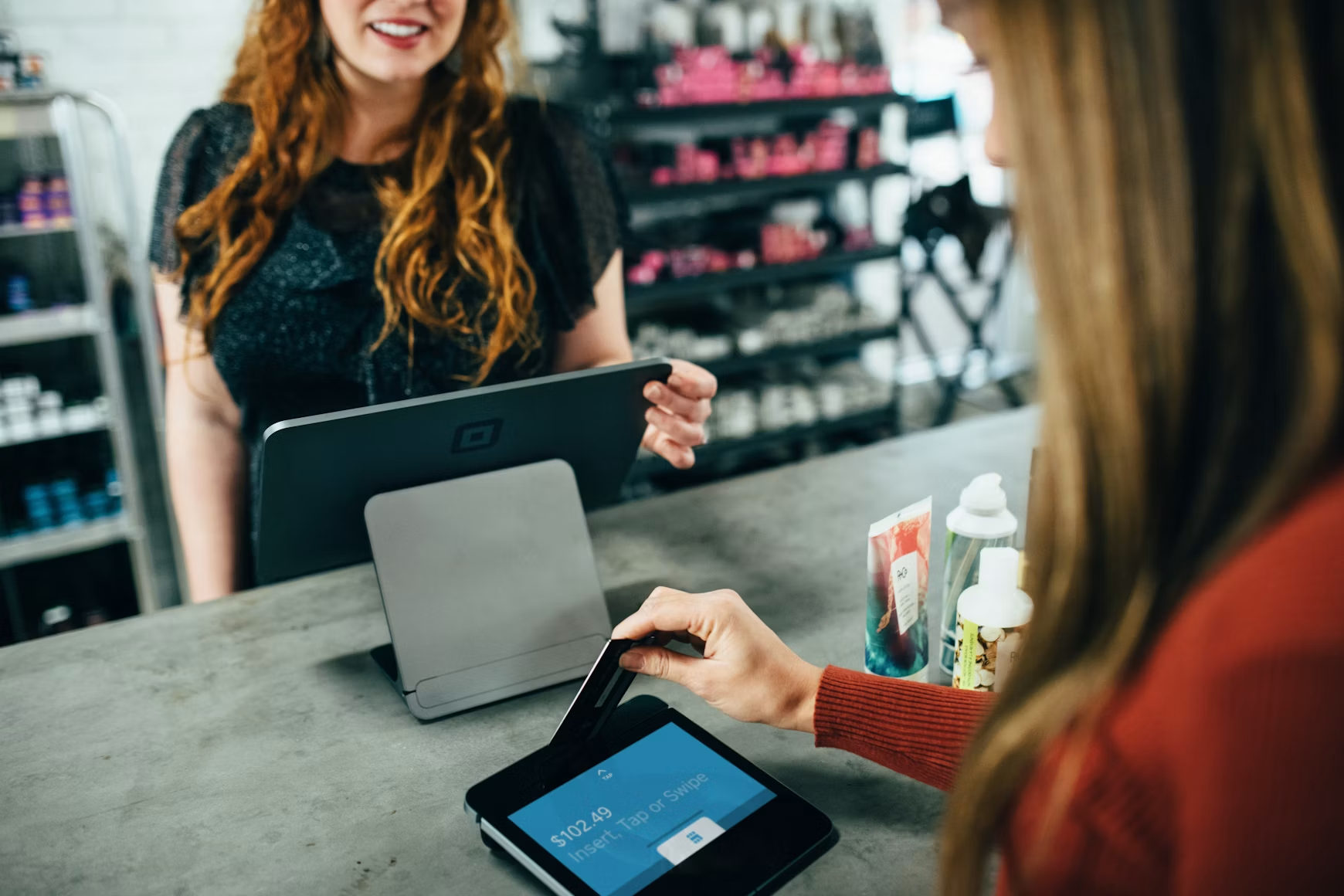
You tap your card. Declined. It used to work a few minutes ago in the convenience store. You scrape together some cash, walk out, and spend the next twenty minutes wondering if your account has been hacked, if your bank suspended your card or if it’s just a problem from this shop.
"Card declined" in Vietnam usually falls into one of two situations — and they have different causes and different fixes.
Case 1: Your card works everywhere else, just not here… and there
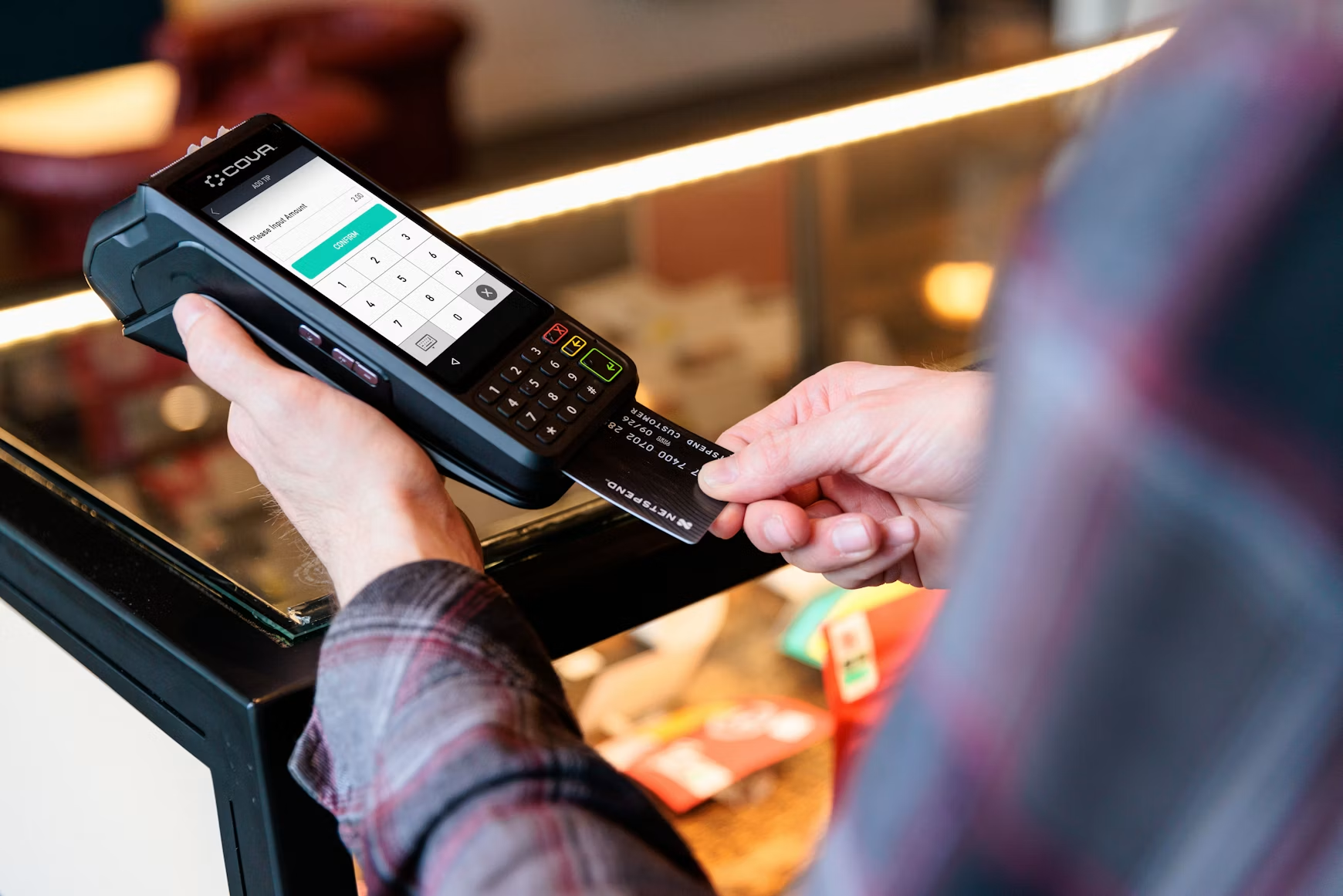
“VISA and MASTERCARD accepted” issue
Vietnamese merchants display the Visa and Mastercard logos and have their terminals set up for international cards. In many cases this means Vietnamese-issued Visa or Mastercard cards are working. Your foreign card is a different category.
Vietnamese banks pay higher interchange fees to process truly foreign-issued cards. Some merchants configure their POS to reject foreign BINs to avoid those fees, even with the Visa logo on the door. You get a decline, the merchant can't do much about it, and there's no fix. Pay another way.
The terminal has bad signal
In many Vietnamese restaurants, a staff member brings the terminal to your table. These run on cellular data. Authorizing a foreign card takes longer than a local one, if the signal is weak, the terminal times out and returns a decline before the request even reaches your bank.
Waiting a moment and trying again sometimes works. Asking if there's a fixed terminal at the counter is usually faster.
Case 2: Your card isn't working anywhere
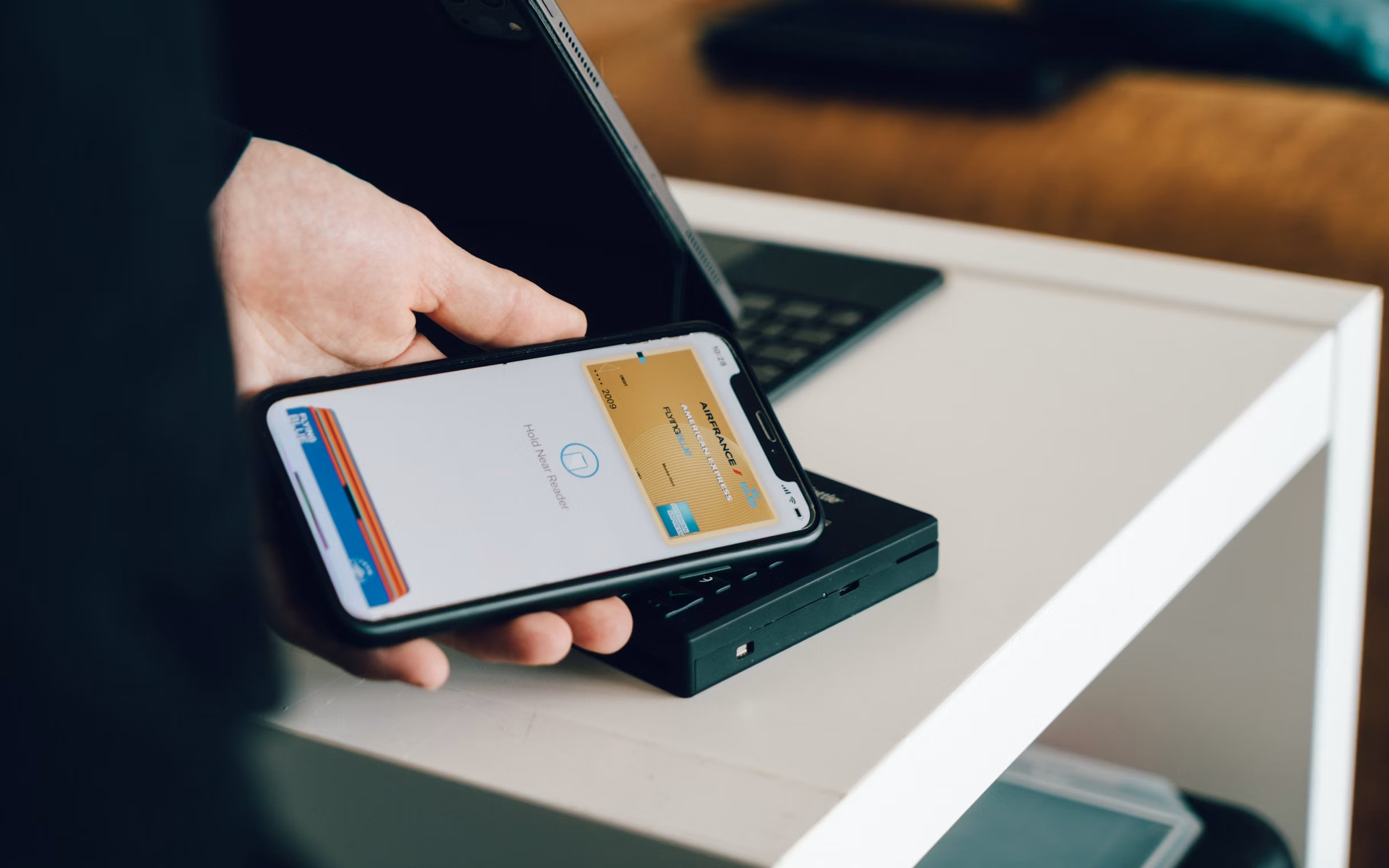
If you're getting declined across multiple places and ATMs, your bank may have blocked the card on their end. It's almost always one phone call to fix.
You didn't notify your bank before flying
Some Western banks flag Vietnam as high-risk and kill transactions from there automatically. Your bank blocks it quietly, the terminal shows "declined," you get no explanation.
A lot of banks now say their systems detect travel on their own. Maybe. It's still worth calling or messaging them before you fly and give them your exact destinations and dates. Five minutes before the trip saves a lot of pain during it.
You moved around faster than their system expected
Using your card in Hanoi in the morning and in a rural area in the afternoon can trigger a geographic velocity flag, the system sees two transactions too far apart and blocks the card. This catches a lot of people mid-trip who did everything right at departure.
When you notify your bank, give them your full itinerary, not just your first city. If it happens mid-trip, call the number on the back of the card. Usually sorted in ten minutes.
What Actually Works
Even if you do everything right, your foreign card will still fail sometimes in Vietnam. The system wasn't built with foreign visitors as the priority.
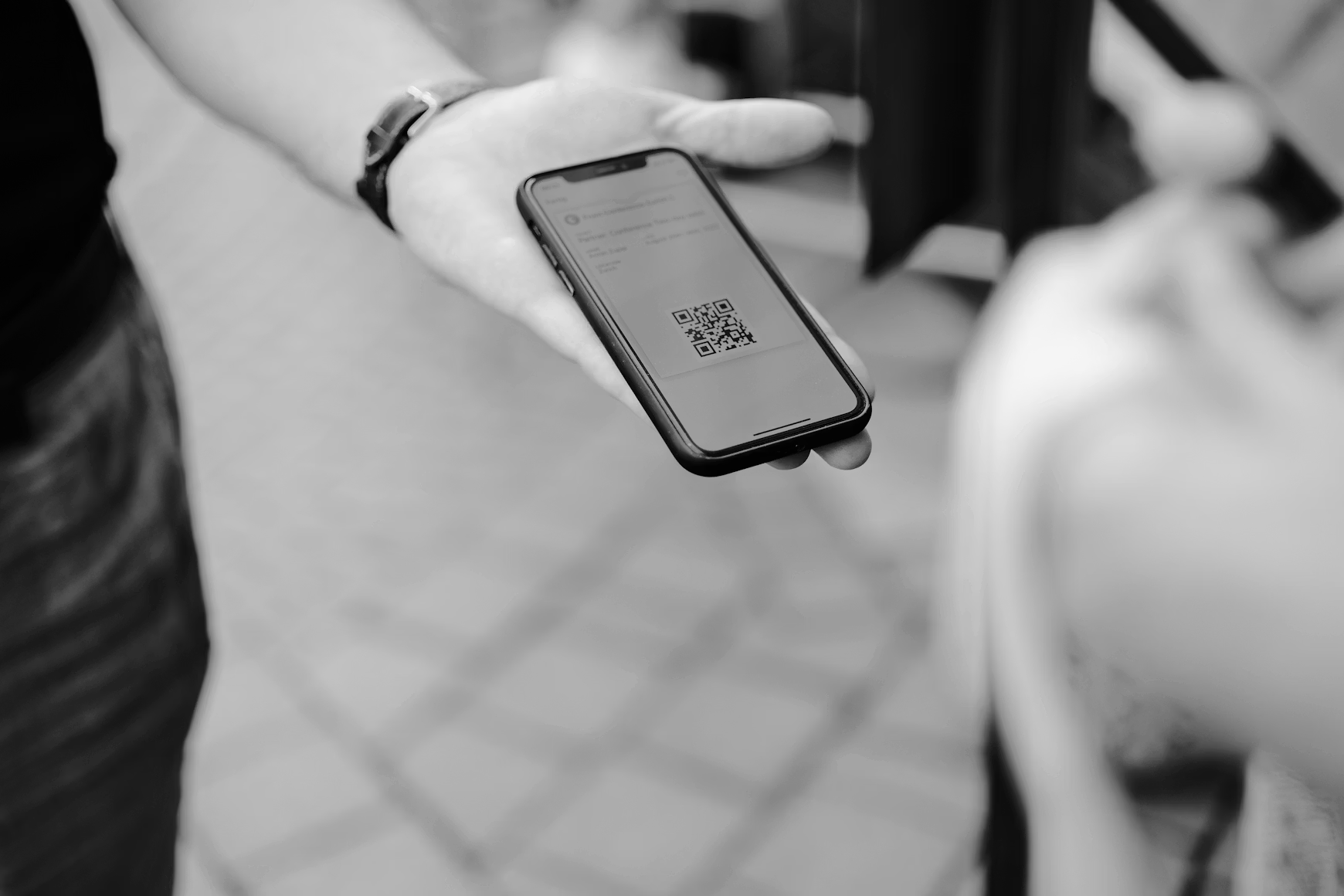
Vietnam went from cash straight to QR mostly skipping the card-terminal-everywhere phase that most Western countries went through. Many local cafes, street food spots, and market vendors never installed a card reader at all. They have a VietQR code on the wall and that's it. Locals scan, pay, leave. Two seconds, no friction.
The issue for tourists was always that VietQR required a local bank account. That's changed. Travel wallets like PayMoji let you top up with Apple Pay, Google Pay, or your home card before you fly, and pay directly into local QR networks at live exchange rates — no foreign transaction fees, no fraud blocks.
Keep some cash for rural spots and traditional markets. For the rest of daily life in Vietnam — coffee, food, convenience stores, taxis — QR is just easier than any card.
PayMoji is available on the App Store and Google Play.
Top up before you fly.
Frequently Asked Questions (FAQs)
Should I still call my bank before flying if they say they auto-detect travel?
Yes. Auto-detection is hit or miss — plenty of people get flagged anyway. A two-minute call or app message with your dates and cities is cheap insurance against a blocked card on day one.
Why did my card stop working in the middle of my trip, not at the start?
That's usually the velocity flag — your bank's fraud system sees you swipe in two places too far apart, too fast, and shuts it down defensively. It's not your fault, it's just what happens when your itinerary looks like fraud on paper.
The shop has a Visa sticker on the door — why was my Visa card declined?
The sticker means they accept Visa, not that they accept every Visa. Some POS terminals are configured to reject foreign-issued cards specifically to dodge higher interchange fees. Nothing wrong with your card — just pay another way.
My card's declined and I don't have cash on me — what's the fastest fix?
If there's a VietQR code on the counter, that's your move. Most travel wallets (PayMoji included) let you scan and pay directly without needing a local bank account.
Do I need a Vietnamese bank account to use QR payments?
Not anymore. That used to be the blocker for tourists, but travel wallets now plug into local QR networks directly, so you can scan and pay like a local without opening a local account.