
Scams in Vietnam (2026): a friendly guide to the common ones
Oct 16, 2026 · 7 min read
By Andrew, who moved to Vietnam 2 years ago
Vietnam is one of the friendliest, safest places you can travel. Serious crime against visitors is rare, and most people you meet will go out of their way to help. The scams you'll hear about are mostly small overcharges, and a few easy habits help you avoid nearly all of them.
So read this as a heads-up, not a warning. Knowing what to expect means you spend less time second-guessing and more time eating, exploring, and enjoying the place.
The quick version
If you only remember 5 things, make it these:
- Book cars and bikes through Grab, so the price is fixed in the app.
- Count your change, and keep big notes separate from small ones.
- Beware of fake taxis at the airport, and head straight to the official taxi rank or the Grab pickup point.
- Check the bill before you pay, and ask about anything you don't recognize.
- Save your hotel's address in Vietnamese on your phone, so any driver can take you straight there.
The rest of this guide goes into more detail.
Getting around
Transport is where most visitors get overcharged. The good news: it's also the easiest place to fix.
Airport taxis and lookalike cabs
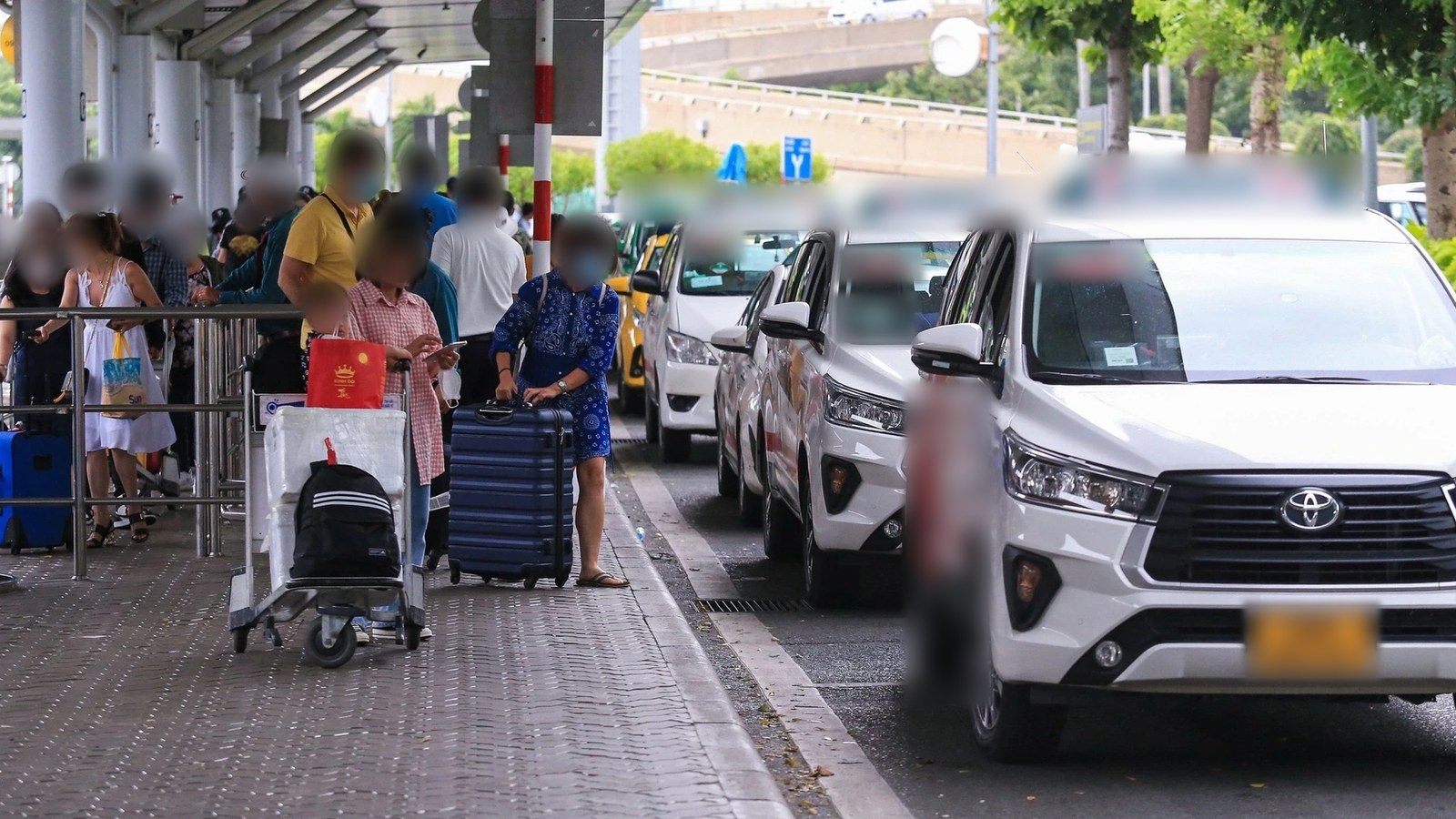
At the airport, you'll be offered rides by people walking up to you in the arrivals hall. Skip them and head to the official taxi rank or the Grab pickup point.
In the city, some unlicensed taxis copy the colors and logos of trusted companies like Vinasun and Mai Linh. Check that the company name and phone number on the car are spelled correctly, and that the meter starts when you set off.
Grab: check the plate
Grab works well across Vietnam, and the price is fixed before you get in. Before you hop on, check that the license plate matches the one in the app. If a driver asks you to cancel and pay cash instead, politely decline and book another ride.
Cyclos and motorbike taxis
A cyclo ride through the Old Quarter is a lovely way to spend half an hour. Just agree on the price, the route, and whether it's per person before you sit down. Writing the number on your phone and showing it avoids any mix-up about zeros.
Money and payments
Vietnamese banknotes have a lot of zeros, and that's where most honest and not-so-honest mistakes happen.
The blue-note mix-up
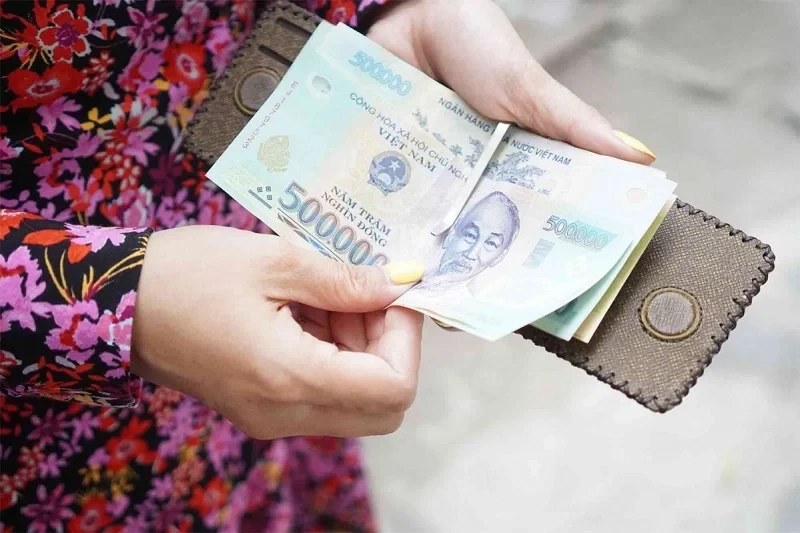
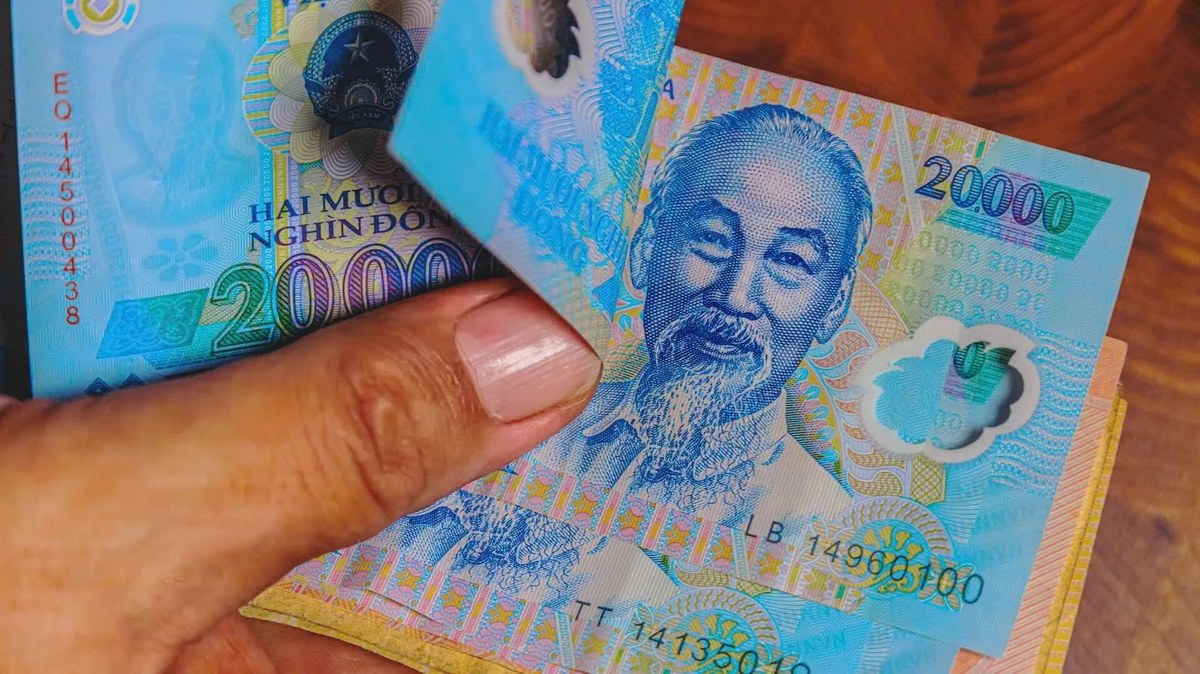
The 20,000 and 500,000 dong notes are both blue and look alike at a glance. Confusing them costs you about $18. The 500,000 note is noticeably bigger, so keep large notes in a separate pocket and say the amount out loud as you hand it over.
Change that comes up short
Most short change is a genuine mistake, but count it before you walk away either way. A friendly "sorry, I think this is 50,000 short" fixes it almost every time.
Our guide to exchanging money in Vietnam covers where to get dong without trouble.
ATMs
Use ATMs inside banks, malls, or convenience stores, and cover the keypad when you type your PIN. Fees add up quickly on a foreign card, so it's worth reading our guide on how to avoid ATM fees in Vietnam before you go.
Paying without cash
Most shops, cafés, and street food stalls in Vietnam now have a QR code on the counter. Paying by QR takes care of the note mix-up and the change problem. You see the exact amount on your screen, and there's no change to count. PayMoji is a travel wallet for Southeast Asia that lets you pay the same QR codes locals use in Vietnam and the Philippines, with no local bank account needed. You top up with Apple Pay, Google Pay, or your card and see the exchange rate before you pay. It won't stop someone quoting you a high price, but it does remove the guesswork from handing over cash.
Out on the street
Photos with props
In Hanoi's Old Quarter, a fruit seller may offer to let you try their bamboo shoulder pole for a photo. It's fun, but expect to be asked to buy fruit or pay afterwards. If you'd like the photo, agree on the price first. If not, a smile and "no, thank you" is all you need.
Shoe shines and "repairs"
Occasionally, a shoe shiner will start working on your shoes, or glue a sole, without asking, then ask for a high price. If you don't want the service, keep walking. If you do, agree on the price before they start.
Bag snatching
This is the one to take seriously, though it's still uncommon. Thieves on motorbikes sometimes grab phones and bags from people walking near the road. Hold your phone on the side away from traffic, wear your bag across your body, and step into a shop doorway to check maps.
It's not a scam, but just be aware of this
Some things feel like a scam the first time, but they're normal here. Knowing about them saves you a lot of unnecessary worry.
- Wet towels and peanuts: At many local restaurants, the packaged wet towel and the peanuts on the table aren't free. A towel usually costs a few thousand dong. If you don't want them, hand them back and they won't be charged.
- Tourist pricing at markets: Prices at markets like Ben Thanh are often set with room to bargain. Haggling is expected, so keep it light and friendly. Smiling and walking away is a perfectly polite way to say no.
- Higher prices on tourist streets: Restaurants on busy backpacker streets often charge more than places 2 blocks away. That's location, not a scam. Walk a little further for local prices.
- Service charge and tax on the bill: Some sit-down restaurants and hotel bars add a service charge and tax at the end, so the total is higher than the menu prices. Check the menu for a note like "prices exclude service charge" before you order.
- Tips at spas: Spa therapists often expect a small tip at the end of a treatment. Ask when you book whether a tip is included, so it isn't a surprise.
- Tailors: Tailor-made clothes are a highlight of a trip to Hoi An. Agree on the price, fabric, and number of fittings in writing, and leave enough days for adjustments.
Booking online
Fake e-visa websites
This is the most expensive scam for most visitors, and it happens before you even leave home. Lookalike websites copy the official visa portal and charge several times the real fee for the same visa. Apply only on the official government site, evisa.gov.vn.
Copycat tour agencies
Popular tour companies sometimes have copycat shops with almost the same name. Book through the company's own website, or check the exact street address before you pay.
If something goes wrong
Stay calm. For a small overcharge, it's often easier to pay, let it go, and enjoy the rest of your day. For anything bigger:
- Ask your hotel for help. Front desk staff deal with these situations all the time and can call on your behalf.
- Call 113 for police. Vietnam is merging its emergency lines into 113, so it's the most useful number to save.
- Contact your embassy if you lose your passport.
Why it's worth it
For every overpriced coconut, there are a dozen moments that make a trip to Vietnam special. Someone walks you to the right bus. A grandmother at a pho stall refuses to let you leave hungry. A stranger lends you a raincoat in a sudden downpour. That's the Vietnam most visitors remember.
Book through Grab, count your change, and check the bill. Then relax and enjoy it. For the payment side of your trip, our guide on how to pay in Vietnam without a local bank account walks through the full setup.
Frequently asked questions
Is Vietnam safe for tourists?
Yes. Violent crime against visitors is rare. The most common problems are small overcharges, bag snatching from passing motorbikes, and taxi or ride disputes, and simple habits prevent most of them.
What is the most common scam in Vietnam?
Overcharging on transport and street services, like unofficial taxis, cyclo rides and photo props. Agree on the price before you start, or book through Grab so the price is fixed in the app.
Are the wet towels and peanuts at restaurants free?
Usually not. A packaged wet towel typically costs a few thousand dong, and peanuts on the table are charged if you eat them. It's normal practice, not a scam, and you can hand them back if you don't want them.
How do I avoid fake Vietnam e-visa websites?
Apply only on the official government portal, evisa.gov.vn. Third-party sites can charge several times the official fee for the same visa.
What number do I call for police in Vietnam?
Call 113 for police. Vietnam is merging its emergency lines into 113, so it's the most useful number to save. For smaller problems, your hotel's front desk is often the fastest help.